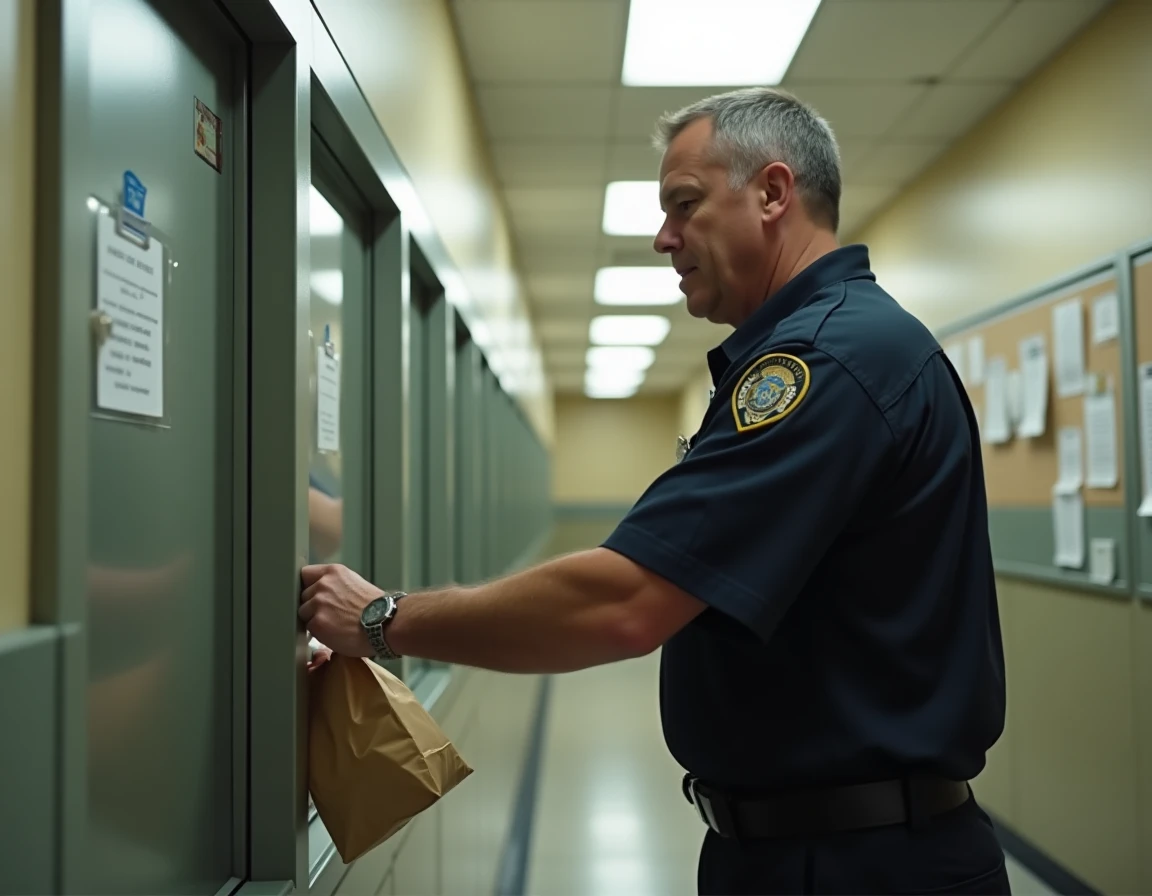
In detention, buying a packet of coffee, a tube of toothpaste, or a can of tuna goes through a unique circuit: the canteen. This internal ordering system replaces any direct access to a store. Prices, the available catalog, and access rules vary from one facility to another, creating very unequal situations depending on the place of incarceration.
Differentiated pricing between establishments: what the Council of State’s decision changes
On October 3, 2025, the Council of State validated the principle of differentiated pricing between correctional facilities. In practice, this means that the same product (for example, a packet of biscuits or a bottle of shampoo) can be charged at different prices depending on the prison or detention center.
Why does this decision matter so much? Because it legalizes structural price discrepancies, without a mandatory national compensation mechanism. An inmate transferred from one facility to another may see their purchasing power drop for a comparable catalog.
Articles discussing prison canteen prices and catalog 2026 often remind us that differentiation is “allowed,” but its concrete effects remain poorly documented. The absence of a national pricing grid allows each facility head to set the margins applied to canteen products.
Prison canteen catalog: what products can be ordered?
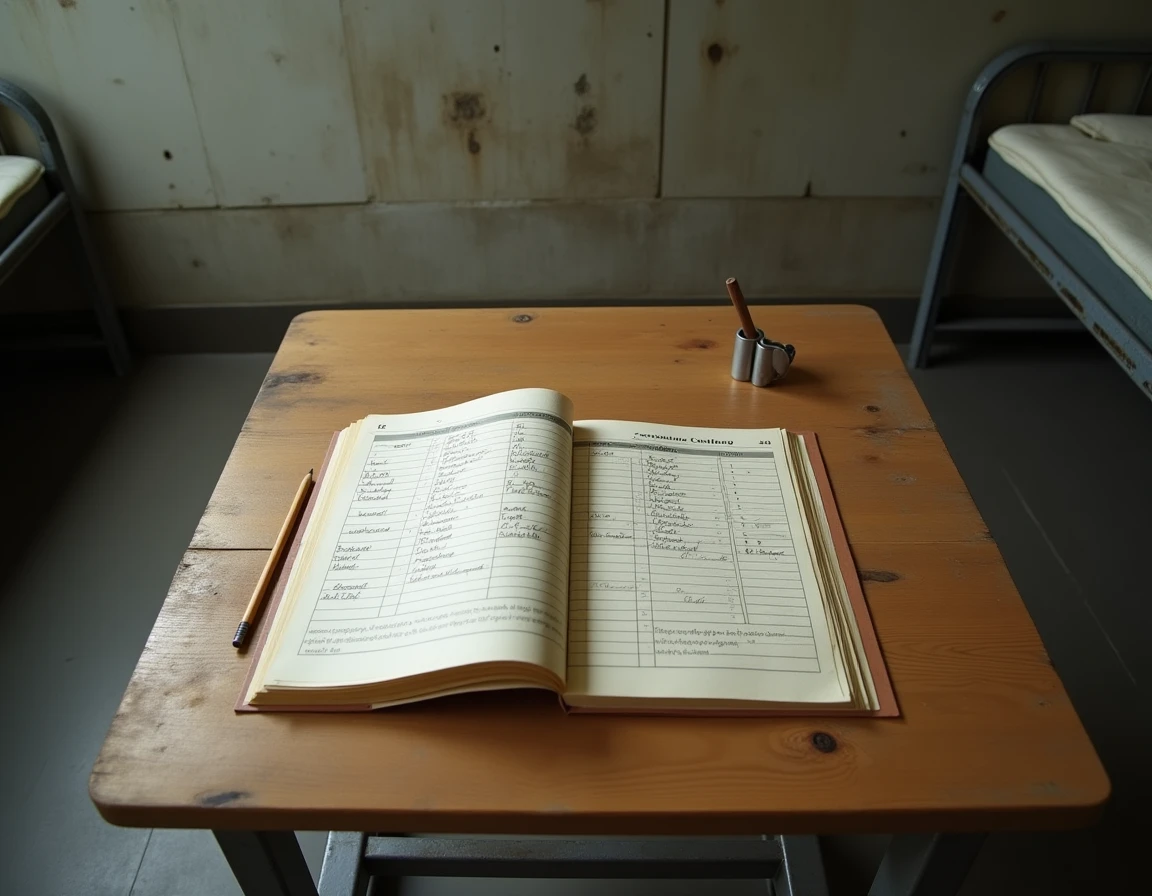
The canteen catalog includes several categories of products. Its exact content depends on the facility, but there is a common base in the majority of French prisons.
- Food items: canned goods, biscuits, non-alcoholic beverages, coffee, sugar, oil, condiments. Fresh products are rare and depend on the logistical capabilities of the facility.
- Hygiene products: soap, toothpaste, shampoo, razors, toilet paper. Some of these items are provided for free upon arrival, but in limited quantities.
- Tobacco: this is the most common expense for a large portion of inmates and often the primary reason for ordering from the canteen.
- Miscellaneous supplies: stationery, pens, stamps, sometimes small electronic equipment (radio, fan) depending on the facilities.
Order forms are distributed by prison guards at a frequency defined by the management. The inmate checks the desired items, and delivery arrives in the cell a few days later.
Missing products and restrictions
Not everything is accessible. Alcohol is prohibited. Items considered dangerous (blades, sharp objects) are excluded. Some facilities also limit quantities per order, particularly on tobacco.
Inmates placed in disciplinary quarters have restricted access to the canteen. Only basic hygiene products remain allowed during the sanction.
Funds and money in detention: how to finance purchases at the canteen
To order, one must have money in their personal account. This account is funded in several ways: money orders sent by relatives, payment for work in detention, or assistance provided by the prison administration for inmates without resources.
The funds are divided into three parts: one part available for the canteen, one part reserved for victim compensation, and one part constituting a release savings (the “release fund”). Only the first fraction is used for everyday purchases.
Amounts received from prison work remain low. Faced with canteen prices sometimes higher than those in supermarkets, the monthly budget of an inmate who works barely covers all their needs.
Prohibition of food packages: a French specificity
France maintains the prohibition of sending food by families. A comparison published in May 2026 by Euronews, based on data from the Council of Europe, highlights that several other European countries still allow food packages sent by relatives.
This ban reinforces dependence on the canteen system. When prices rise or the catalog shrinks, inmates have no alternative to supplement their diet or daily products.
Inmates’ rights and recourse in case of disputes over the canteen
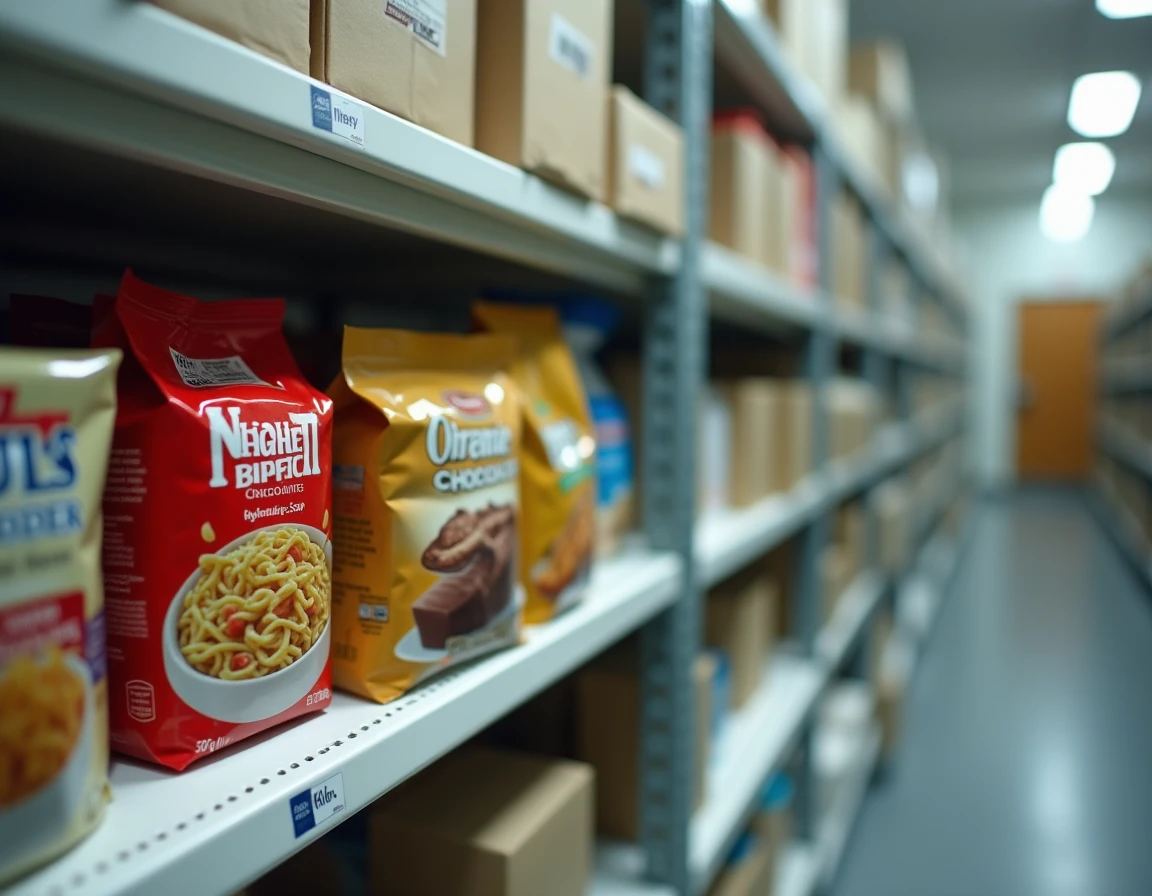
The right to access the canteen is guaranteed by the code of criminal procedure. An inmate cannot be arbitrarily deprived of it, except for disciplinary sanctions governed by law.
In case of a problem (overcharging, missing product, unjustified restriction), several avenues for recourse exist:
- Contact the Defender of Rights, who regularly handles complaints related to detention conditions and canteens.
- Submit a request to the administrative court if the dispute concerns a decision by the facility head (for example, a refusal to access certain products).
- Contact a lawyer specialized in prison law to assess the admissibility of a recourse.
European case law also protects certain food rights. The European Court of Human Rights has, for example, ruled on the case of an inmate who was denied meals in accordance with their religious beliefs.
Food in detention: a public policy issue
A research report published in January 2026, conducted by researchers from emlyon business school on behalf of the Directorate of Prison Administration, analyzes the food of detainees in French correctional facilities. This work addresses the “public policy of food” dimension in prison, an angle still rarely covered in content aimed at the general public.
The canteen is not just a catalog and prices. It conditions daily quality of life, nutritional balance, and the dignity of incarcerated individuals. The price discrepancies between establishments, the absence of food packages, and the low income in detention create a system where the purchasing power of the inmate remains a central and largely underestimated issue.