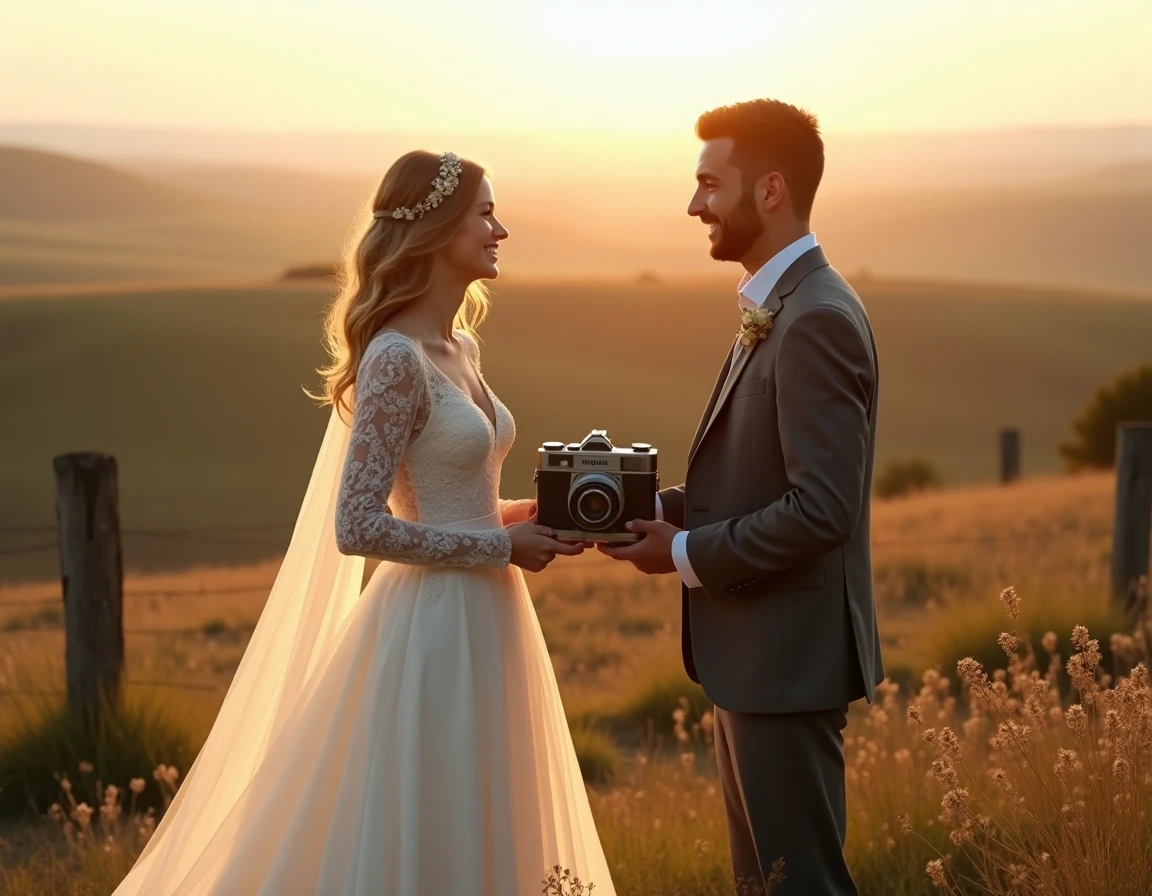
The wedding video has changed status. It is no longer just a linear recording of the day: couples are requesting constructed scenarios, with a narrative that reflects their story. Filming the preparations, the ceremony, and the evening is no longer enough to produce a memorable film. What makes the difference is the storyline chosen in advance. Here are ten touching scenario ideas to give a true cinematic dimension to your wedding video.
1. The multi-time narrative, from the first glance to the next day
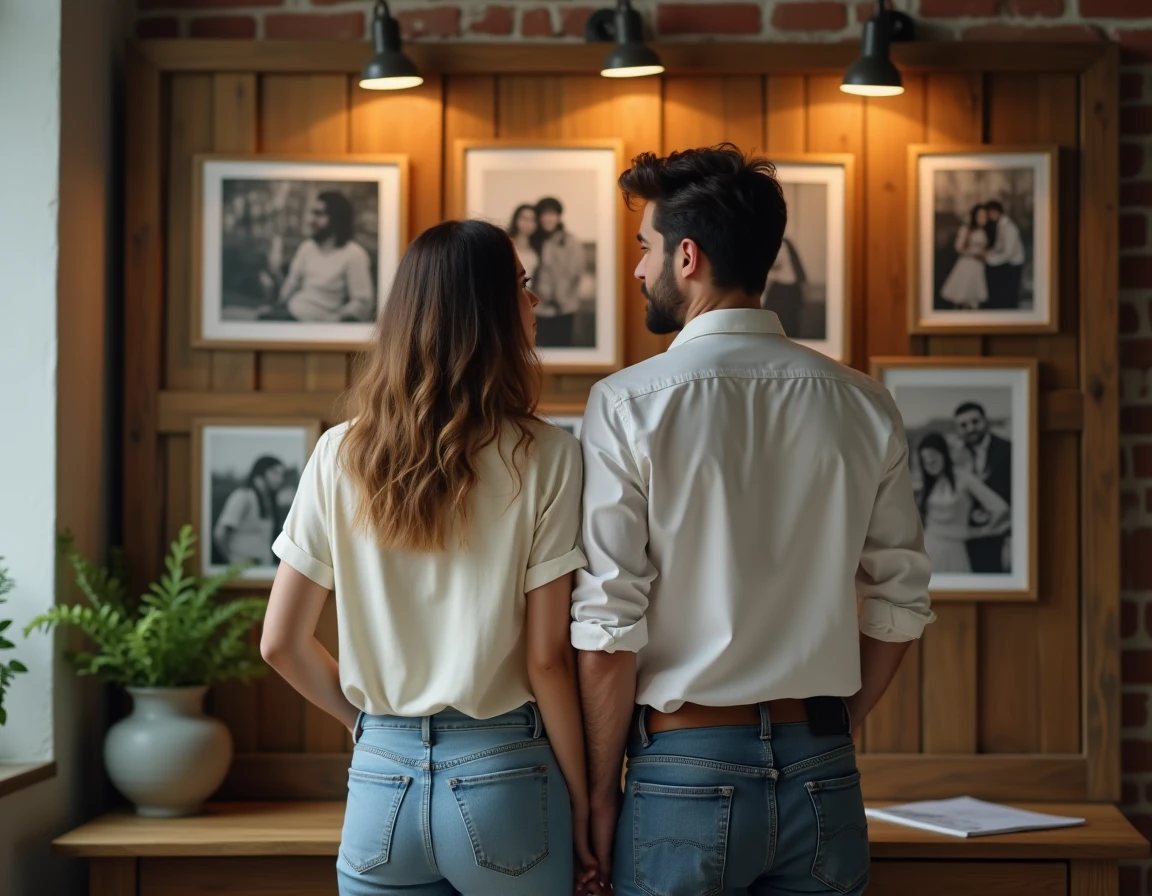
This scenario goes beyond just the wedding day. It includes sequences filmed several months before (proposal, venue search, first dance rehearsal) and sometimes after (first apartment, trip). Telling the couple’s story over time gives the film a depth that simple reporting cannot achieve.
Specifically, the videographer plans two or three additional filming sessions. The editing alternates between these intimate moments and the footage from the wedding day, creating visual echoes. The result resembles more of a short film than a classic family memory.
To explore other narrative approaches, the inspirations on 123 Mariages detail several variations of this long format.
2. The tribute to absent or deceased loved ones
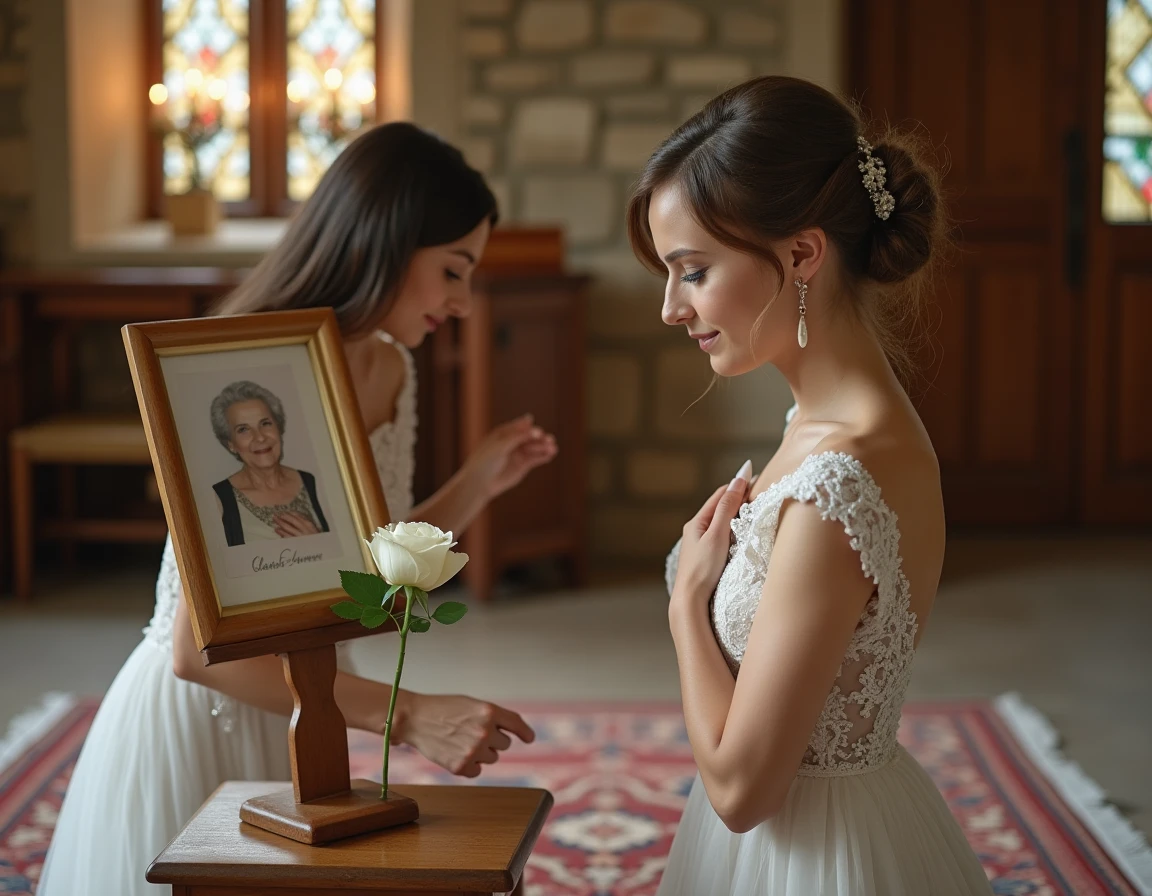
Requests for stories centered around absent loved ones have increased in recent years. Deceased grandparents, family members abroad, friends who left too soon: the scenario weaves a thread between their memory and the ongoing celebration.
The work relies on integrating family archives, sometimes digitized old tapes or vertical smartphone videos. The restoration and cropping of these images require true technical expertise. The videographer edits these archives alternately with shots from the wedding, often accompanied by a reading of a letter or an audio message.
This scenario is the most delicate to execute. It requires meticulous preparation with the family to collect materials, identify usable sequences, and define the right tone between emotion and restraint.
3. The cross-interviews of the couple, filmed separately
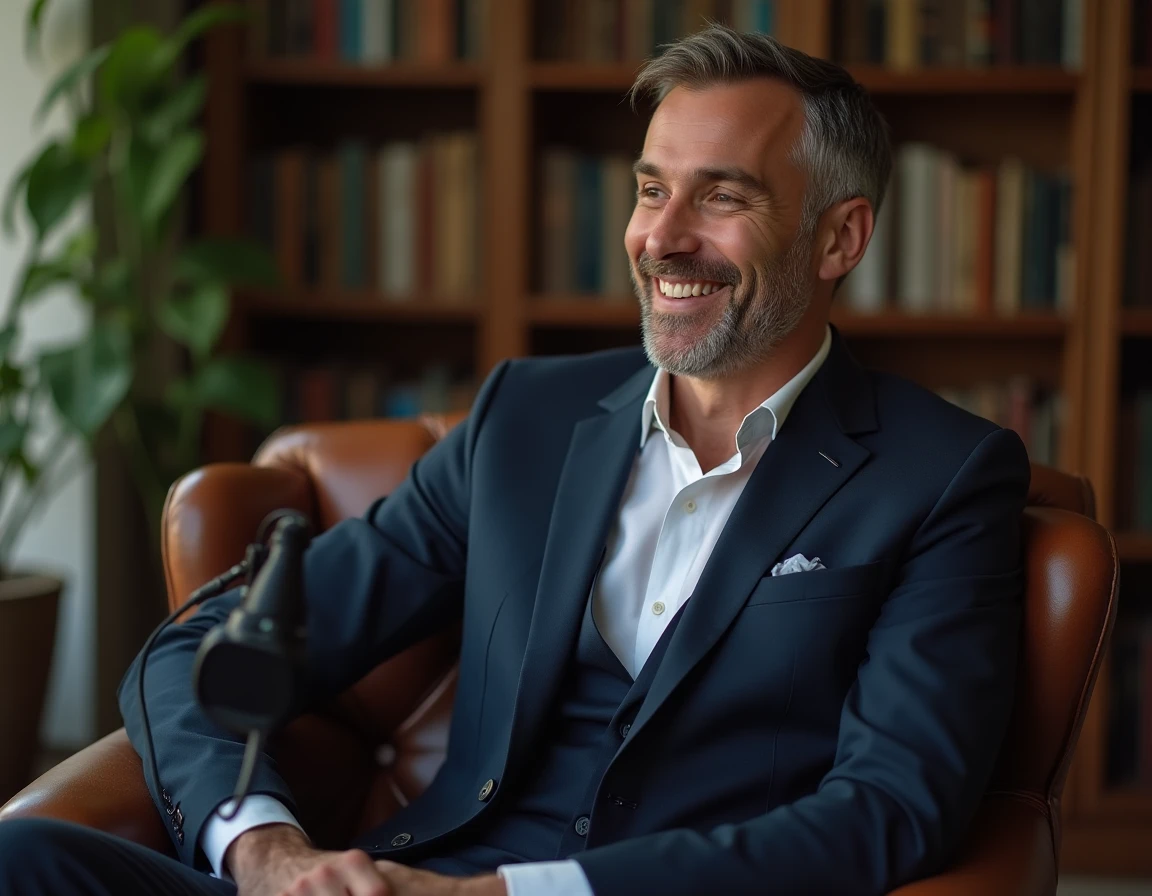
Each partner answers the same questions in separate rooms, without knowing the other’s responses. The editing alternates between the two voices. This format produces moments of raw sincerity, and the overlapping answers create a powerful narrative effect.
The questions focus on the first memory together, the moment when the decision to marry became clear, and what makes them nervous on the wedding day. The videographer can use these interviews as voiceovers over the day’s footage, structuring the film around the couple’s words rather than chronology.
4. The letter read as a voiceover during preparations
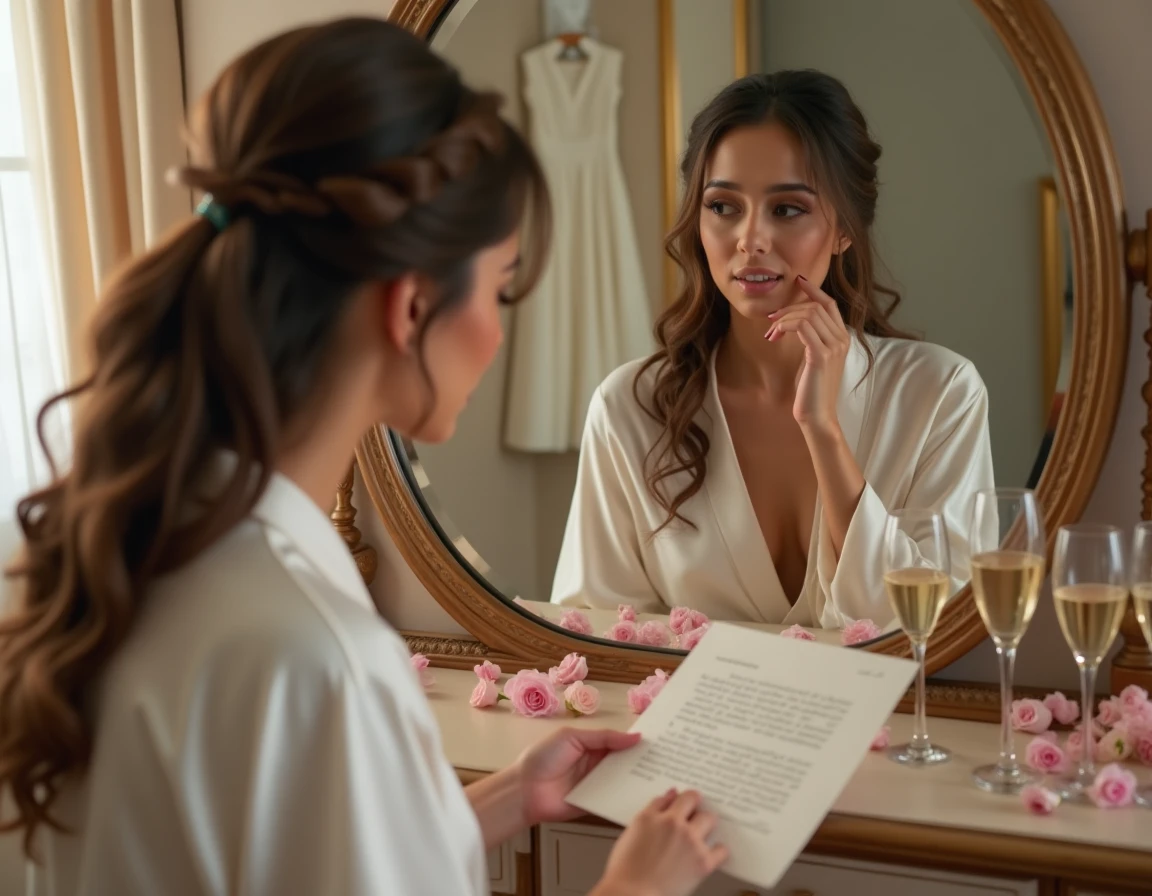
Each partner writes a letter to the other, recorded the day before or the morning of the wedding. The voiceover accompanies the preparation images: getting dressed, makeup, adjusting the suit. The contrast between intimate words and everyday gestures creates a natural emotional tension.
This scenario is easy to set up and requires no additional equipment, just a decent audio recorder. It works particularly well for reserved couples who do not wish to be interviewed on camera.
5. The children’s perspective on their parents’ wedding
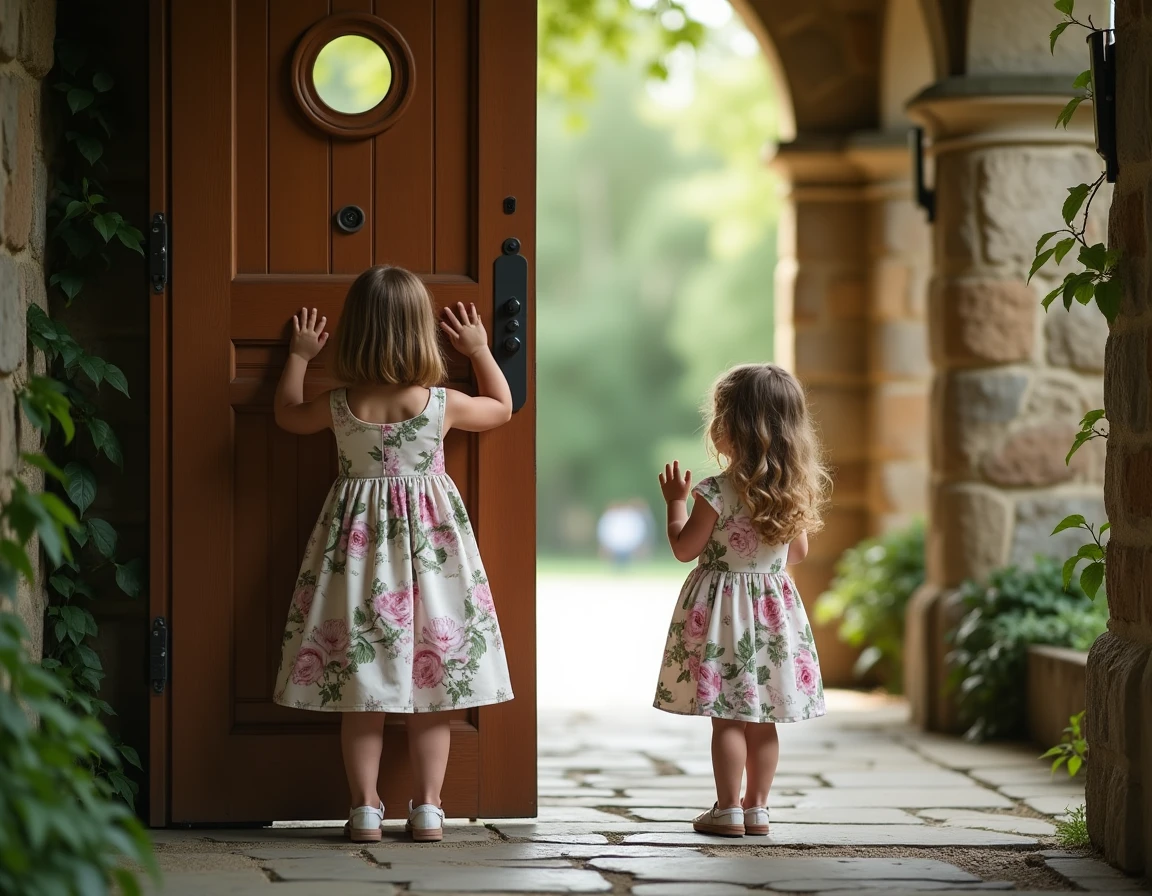
When children are present, giving them a narrative role transforms the film. They are filmed commenting on the day in their own words, preparing a drawing for their parents, or simply watching the ceremony. Their spontaneous reactions become the thread of the editing.
This scenario also works with nephews, nieces, or the children of close friends. The videographer captures candid moments rather than staged scenes, preserving the authenticity of the reactions.
6. The faux documentary style behind-the-scenes making-of
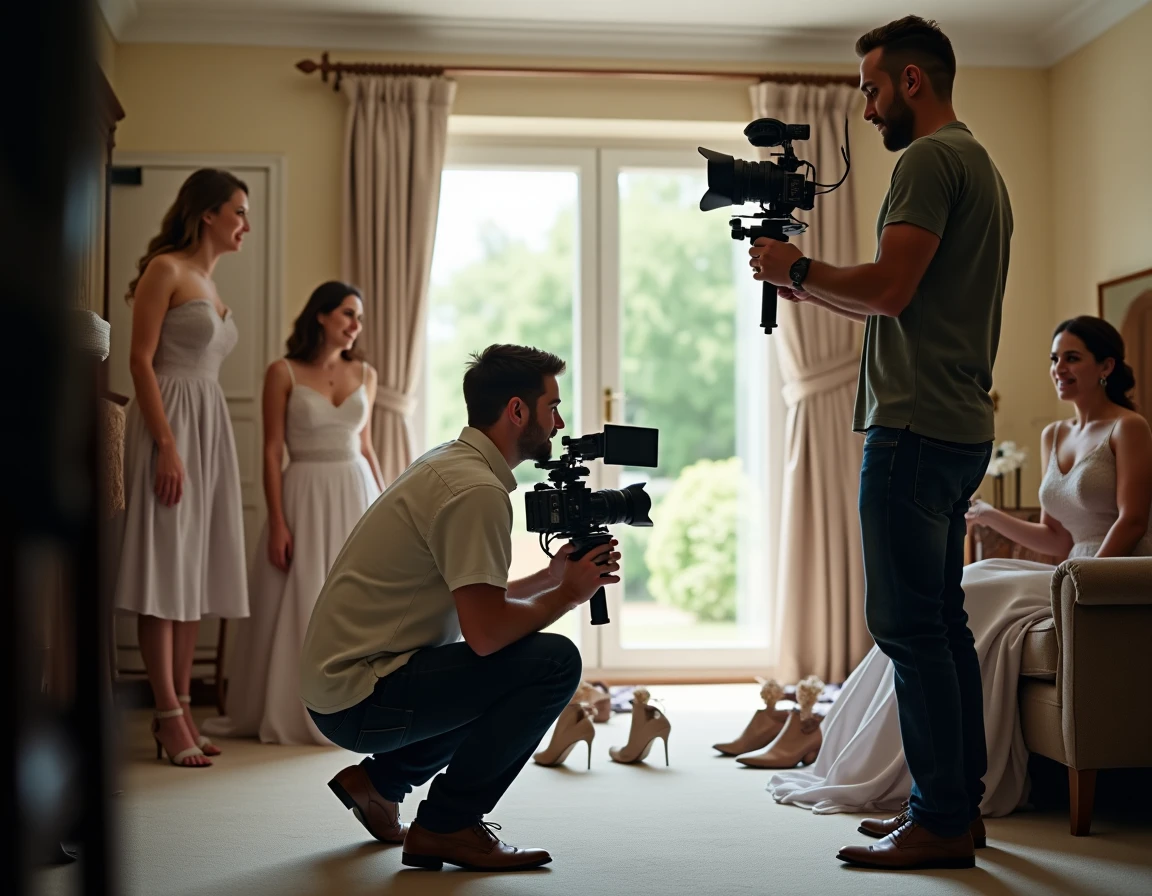
The scenario adopts the codes of documentary: shots of the caterer setting the tables, the florist adjusting the arrangements, the witnesses rehearsing their speeches in a corner. The wedding is narrated by those who create it behind the scenes, not just by the couple.
This format requires the videographer to arrive well in advance (the day before for some vendors) and film sequences that the couple will only see in the edit. The surprise upon discovering the film is an integral part of the scenario.
7. The video messages collected from guests in advance

Several weeks before the wedding, each guest receives a prompt: record a video message of thirty seconds to a minute. The videographer compiles these testimonials and integrates them into the film, alternating with footage from the celebration.
The main difficulty lies in collecting and ensuring the technical consistency of the received files. The formats, resolutions, and orientations (vertical, horizontal) vary significantly. A media centralization tool facilitates this step. The final edit mixes these raw messages with professional shots, giving the film a choral aspect.
8. The re-enactment of the marriage proposal
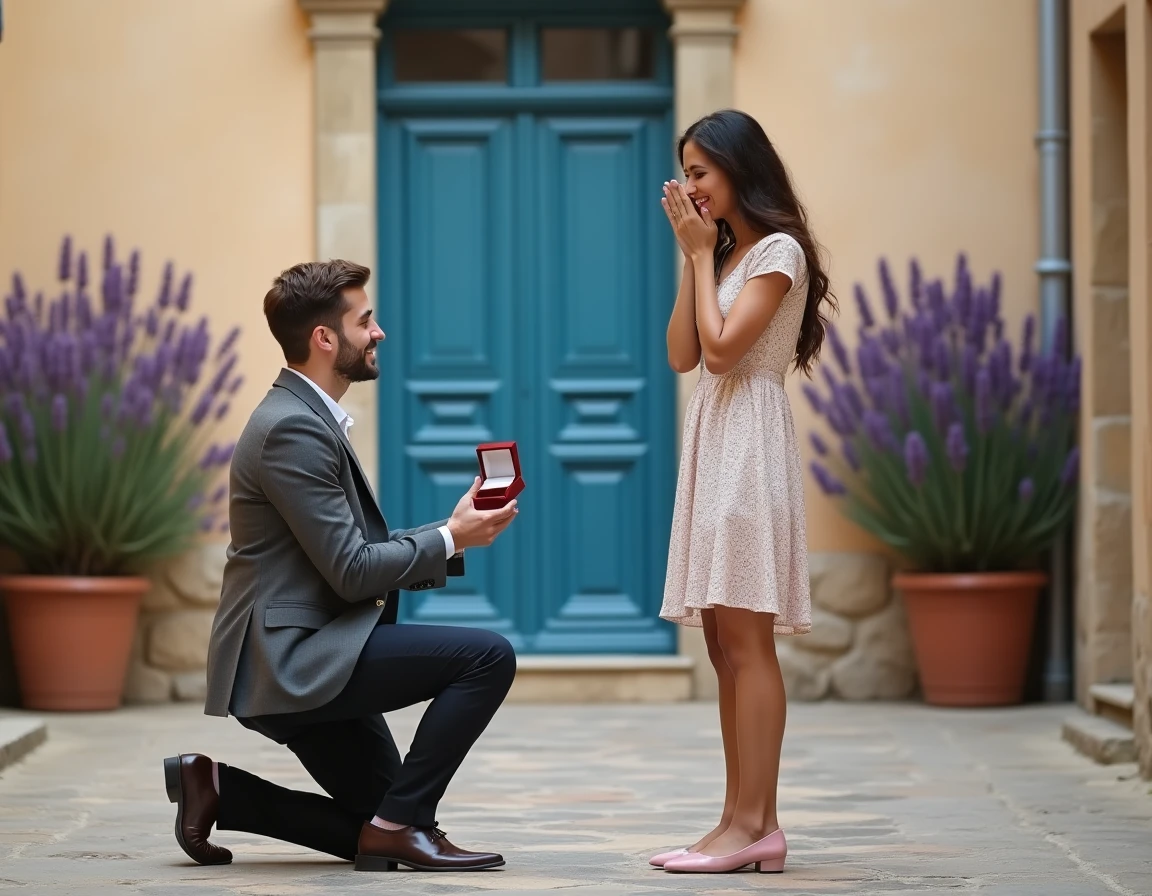
If the proposal was not filmed, it is re-enacted at the original location. The couple plays out the scene with a light staging. This return to the origins of their commitment anchors the film in a narrative continuity.
The videographer uses this re-enactment as the opening of the film, then transitions to the wedding day. The parallel between the two moments, sometimes separated by several months or years, creates a complete narrative arc.
9. The double reverse chronology scenario
The film begins with the end of the evening (last dance, departure of the couple, extinguished lanterns) and gradually moves back to the start of the day. This editing choice disrupts expectations and encourages the viewer to watch each scene differently, as they already know how the day ends.
This scenario requires careful editing to remain clear. The transitions must guide the viewer without confusion. It is better suited for short films, where the reverse structure remains easy to follow.
10. The silent film rhythmically accompanied only by music and ambient sounds
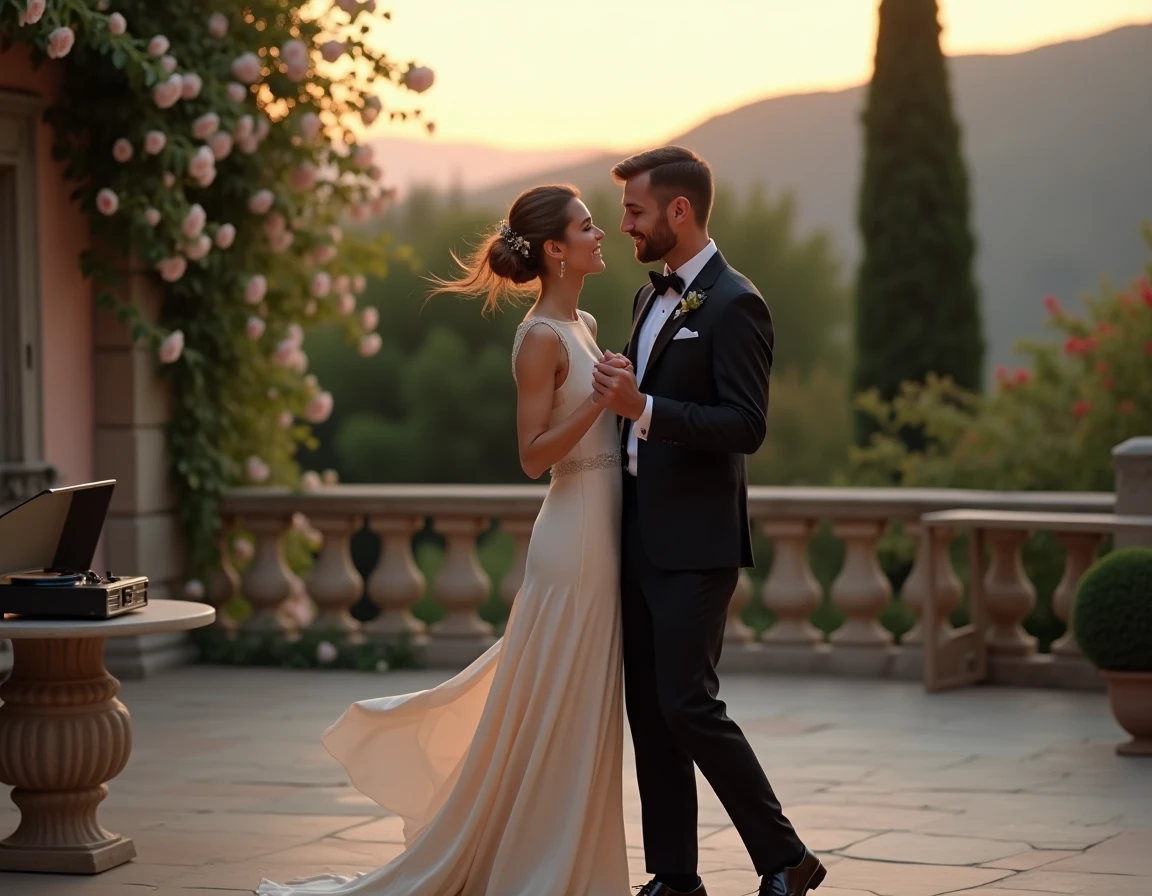
No voiceover, no transcribed speeches. The film relies on a soundtrack composed of music chosen by the couple and sounds captured on-site: laughter, applause, rustling of the dress, clinking of glasses. The absence of words requires meticulous sound capture work on the wedding day.
This format is inspired by contemplative cinema. It suits couples who prefer images over verbal narration. The videographer must compensate for the absence of voice with impeccable framing quality and editing rhythm.
Each scenario responds to a different intention: some focus on words, others on silence, on chronology or its disruption. The choice depends on what the couple wants to feel when watching their film in five, ten, or twenty years. An in-depth exchange with the videographer, well before the wedding day, remains the only way to transform a scenario idea into a film that lives up to its promises.