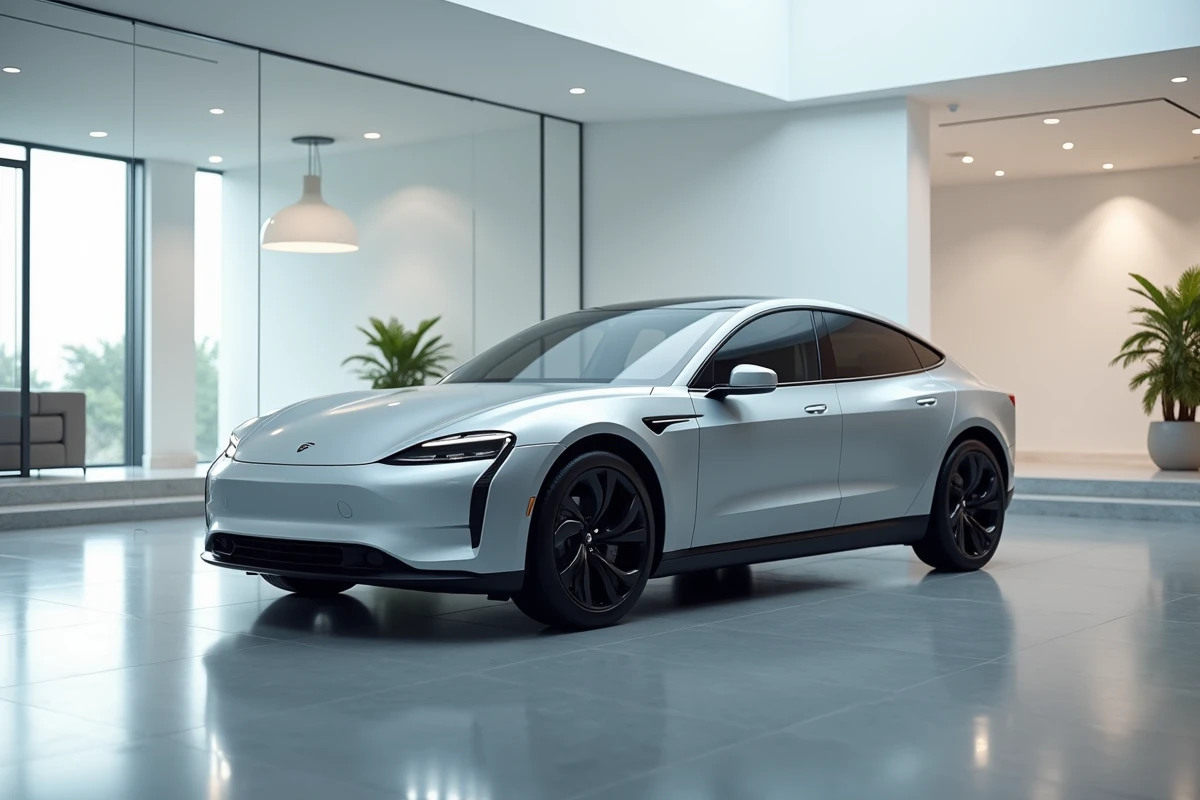
The French automotive market recorded a 3.7% increase in registrations in May 2026, driven by a historic record for electric vehicles. This growth reflects a profound restructuring of the sector, where end-of-cycle engines coexist with rapidly advancing technologies. Understanding these movements requires distinguishing between what pertains to the real market dynamics and what is promotional discourse.
Used Car Market: Why Prices Remain High in 2026
The new car market is suffering from rising production costs, a strengthened ecological penalty, and still tight delivery times for certain models. The used car market absorbs some of this pressure: volumes remain high and demand is strong.
Since 2024, used car prices have stopped skyrocketing. They are stabilizing at a historically high plateau, particularly for well-maintained vehicles under five years old. This phenomenon is explained by a lasting extension of the holding period: motorists are keeping their cars longer, which is making good recent models scarce in the secondary market and supporting residual values.
This disconnect between new and used creates a scissors effect. Buyers who delay purchasing a new vehicle find themselves facing a used market where good deals are becoming rare, especially in the recent SUV and compact segments. To follow auto topics on Journal Global, this tension between the two markets is a recurring theme of the year.

Record Market Share for Electric Cars in France
100% electric vehicles have reached a record market share in May 2026. This growth is no longer solely based on purchase incentives or regulatory announcements. The dynamics now come from the market itself: expanded range, improved ranges, and denser charging networks.
The European Union is maintaining its timeline for banning the sale of new thermal cars starting in 2035. This deadline is pushing manufacturers to accelerate the renewal of their electric catalogs. Renault, Skoda, Ferrari (with the Luce, its first electric model), and Chinese brands like Chery, which is setting up in Nissan’s English factory, illustrate very different strategies to occupy this space.
Hybrid, Plug-in Hybrid, Electric: Confusion Persists for Buyers
In the used market, gasoline and diesel remain overwhelmingly dominant in transaction volumes. Non-plug-in hybrids are significantly increasing, driven by an abundant supply of recent models entering the second-hand market.
Used electric vehicles remain a niche market. The rapid depreciation of early models (limited range, outdated battery technology) deters uninformed buyers. Plug-in hybrids, on the other hand, are subject to critical scrutiny: an independent testing organization, the same one that revealed the dieselgate scandal, points out significant discrepancies between advertised and actual consumption, particularly with Mercedes.
Automotive Regulation 2026: New Requirements for New Cars
Starting July 7, 2026, new safety requirements will come into effect for new cars sold in Europe. These obligations pertain to onboard equipment that will become mandatory as standard.
Among the devices concerned:
- The event data recorder (black box), which stores vehicle parameters in the seconds preceding an accident
- The intelligent speed adaptation system, which alerts the driver to any exceedance of the current speed limit
- The advanced emergency braking system, capable of detecting pedestrians and cyclists
These devices, stemming from the European regulation on the general safety of vehicles, modify the design of models and their production costs. For buyers, this also means that models registered before this date will not benefit from these features, which could ultimately affect their resale value.

European Automotive Industry: Restructuring and New Entrants
The strategic plan presented by Antonio Filosa for Stellantis illustrates a significant trend: clear priority given to the American market and rationalization of the European industrial tool. The short-term financial logic clashes with the risk of industrial downgrading of the continent, as highlighted by economist Bernard Jullien.
The increasing openness to Chinese manufacturers is accentuating this reconfiguration. Chery is now producing in the UK at a Nissan factory. In the motorcycle market, one in six new machines sold in France in May 2026 is already Chinese. These movements are altering the balance of power between historical manufacturers and new entrants.
Fraud in Automotive Repairs: DGCCRF Cracks Down
The Directorate General for Competition, Consumer Affairs and Fraud Control has published a report on the abusive practices of certain automotive repairers. Mobilians, the professional union, has launched an immediate action plan while providing nuances on the observed facts. Among the targeted offenses: the removal of the particulate filter, a manipulation that exposes the mechanic to sanctions and the owner to a refusal at the technical inspection.
The automotive sector is not just a race between powertrains. Tensions in the used market, tightening regulations, and industrial restructuring at the European level are shaping a landscape where every purchasing decision benefits from being documented. Models rolling off the production lines after July 2026 will feature safety equipment that current vehicles lack, a criterion that will increasingly weigh in the balance between new and used.