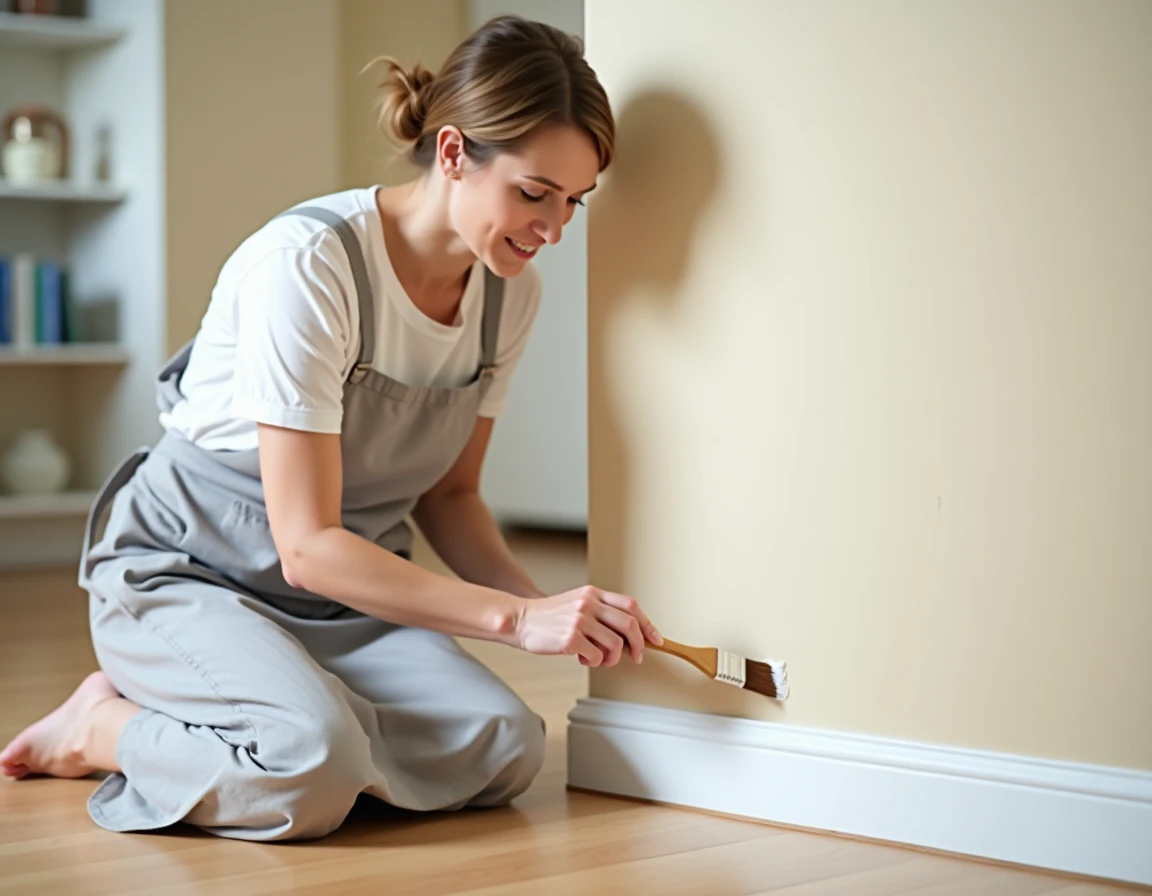
Arranging and maintaining a home is based on a principle often overlooked: every layout choice determines the future maintenance burden. A poorly placed piece of furniture generates inaccessible dust, while a poorly chosen covering requires more frequent cleaning. Thinking of layout and cleaning as a single system allows for reducing daily effort without sacrificing comfort.
Surface materials and ease of daily cleaning
The choice of materials in a home has a direct impact on the time spent cleaning. Large-format porcelain tiles, for example, limit the number of joints, areas where dirt accumulates the fastest. Conversely, untreated natural stone flooring absorbs stains and requires specific maintenance.
For kitchen countertops, non-porous surfaces (quartz, high-pressure laminate) can be cleaned with a quick wipe of a damp sponge. Solid wood, warmer in feel, requires a protective oil applied several times a year to prevent liquids from penetrating the fibers.
The same logic applies to walls. A satin paint can be washed, while a matte paint stains. In humid rooms or hallways frequented by children, opting for a satin or velvet finish avoids the need to repaint every year. Practical resources are available to delve deeper into these layout topics, particularly on the Easy Home website, which compiles guides by room type and need.
Zone-based layout: adapting each room to its actual use
The recent trend in home organization is to think of layout by usage zones rather than by entire rooms. The entrance, for example, concentrates the majority of dirt brought in from outside. A functional layout in this specific area (hooks, shoe tray, small storage for keys) reduces the spread of clutter throughout the rest of the home.
Kitchen and bathroom: high-traffic zones
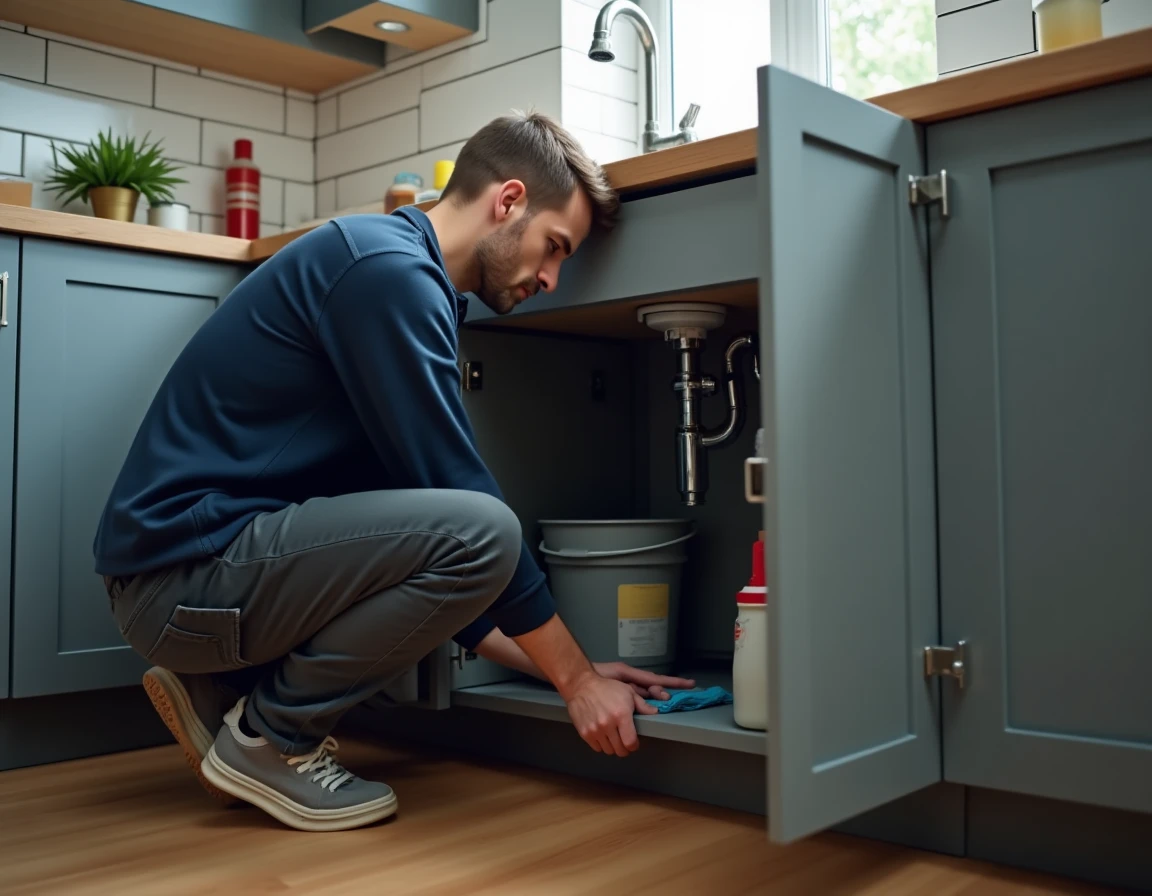
These two rooms are the most used and most exposed to moisture. Grouping cleaning products into a kit by zone allows for cleaning in just a few minutes without having to fetch supplies from elsewhere. A small bucket under the kitchen sink with a sponge, multi-purpose spray, and microfiber cloth is sufficient.
In the bathroom, a squeegee hung in the shower eliminates limescale after each use. This action takes about ten seconds and avoids the need for intensive monthly descaling. Maintenance becomes an integrated reflex in the use of the room, not a separate chore.
Living spaces and bedrooms
The living room and bedrooms mainly accumulate dust and disordered textiles. Fewer free horizontal surfaces mean less dust accumulation. Open shelves, very popular in decor, multiply the areas that need dusting. Closed storage with smooth fronts significantly reduces this burden.
For children’s rooms, favor labeled open bins rather than complex storage systems. A child finds it easier to put away items in an accessible box than in a compartmentalized drawer.
Sustainable maintenance routine: consistency over intensity
Recent publications on home maintenance converge on one idea: daily micro-actions replace the weekly deep clean. The zone-based approach, combined with short actions, transforms maintenance into an automatic habit rather than a scheduled session.
The “slow vacuuming” technique, recently highlighted, illustrates this logic. Vacuuming more slowly, with regular movements, captures more dust and fine particles than a quick pass. The total time remains the same, but the efficiency increases.
- After each meal, a quick wipe of the countertop and stovetop prevents residues from drying and embedding.
- Every evening, a five-minute round in the living room to put items back in their place prevents visible clutter from accumulating.
- Once a week, cleaning the sanitary facilities with a product suited to the type of surface (ceramic, resin, stone) maintains hygiene without damaging the materials.
Home cleaning products: when natural simplifies daily life
The proliferation of specialized cleaning products (one spray per type of surface, one detergent per room) complicates storage and burdens the budget. Three basic products cover the majority of a home’s needs.
- Diluted white vinegar descalers faucets, cleans windows, and deodorizes pipes.
- Liquid black soap degreases countertops, tiled floors, and painted surfaces.
- Baking soda absorbs odors in the refrigerator, revives grout, and serves as a gentle abrasive on delicate surfaces.
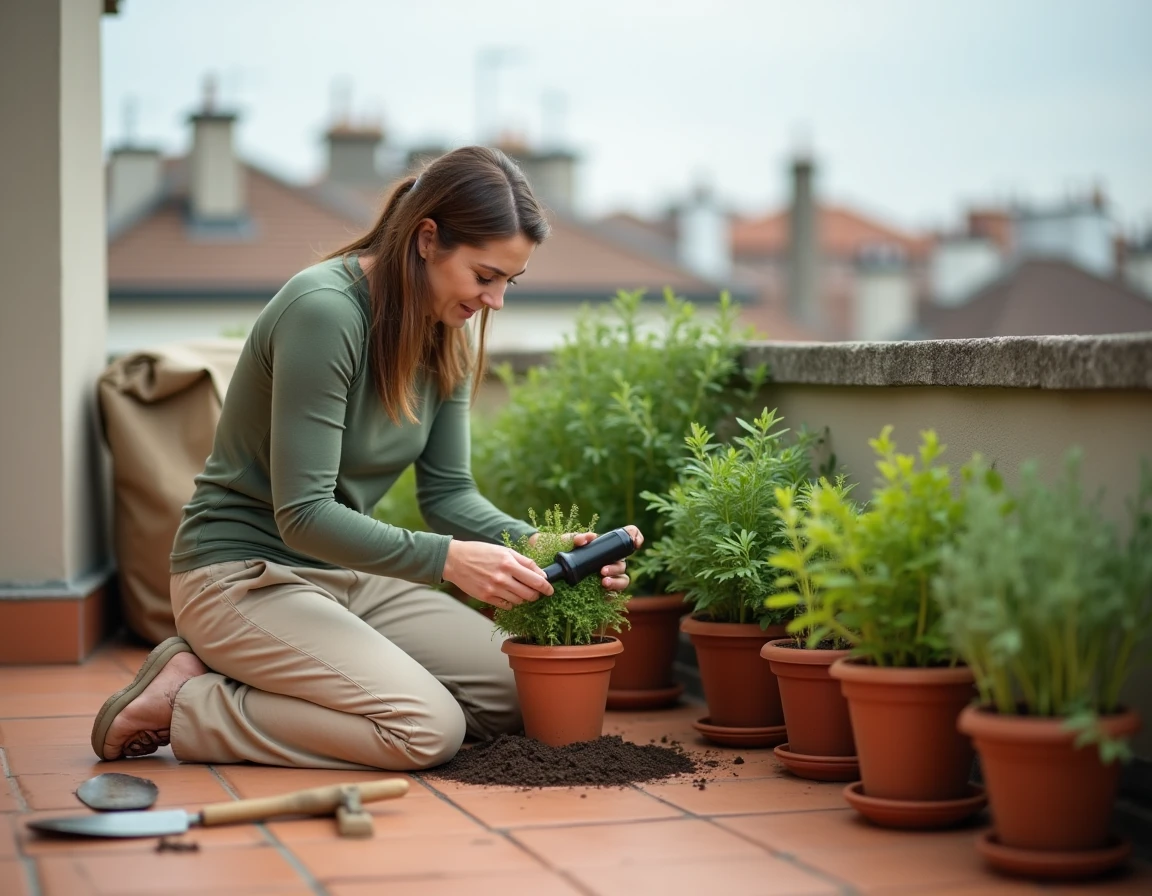
These three products replace most specialized sprays and have a long shelf life. Some garden plants (lavender, mint, rosemary) can complement the arsenal by serving as a base for homemade scented cleaning solutions, an approach increasingly documented in recent maintenance guides.
Furniture choices and long-term maintenance impact
A piece of furniture purchased solely for its aesthetics can become a source of daily frustration. High legs facilitate vacuuming underneath. Smooth fronts without moldings dust easily in one motion. A piece of furniture that is easy to clean is a piece of furniture that is kept longer.
New furniture sometimes emits volatile organic compounds for several weeks. To speed up this off-gassing, ventilate the room concerned at least twice a day during the first weeks after purchase. Placing the furniture in a ventilated room before installing it in a bedroom, especially for children, limits exposure to residual odors.
Thinking about layout and maintenance together from the start is beneficial. A covering suited to the room’s use, storage sized for the items they hold, and maintenance actions tailored to each zone: these three elements, combined, transform daily domestic life without adding time or complexity.