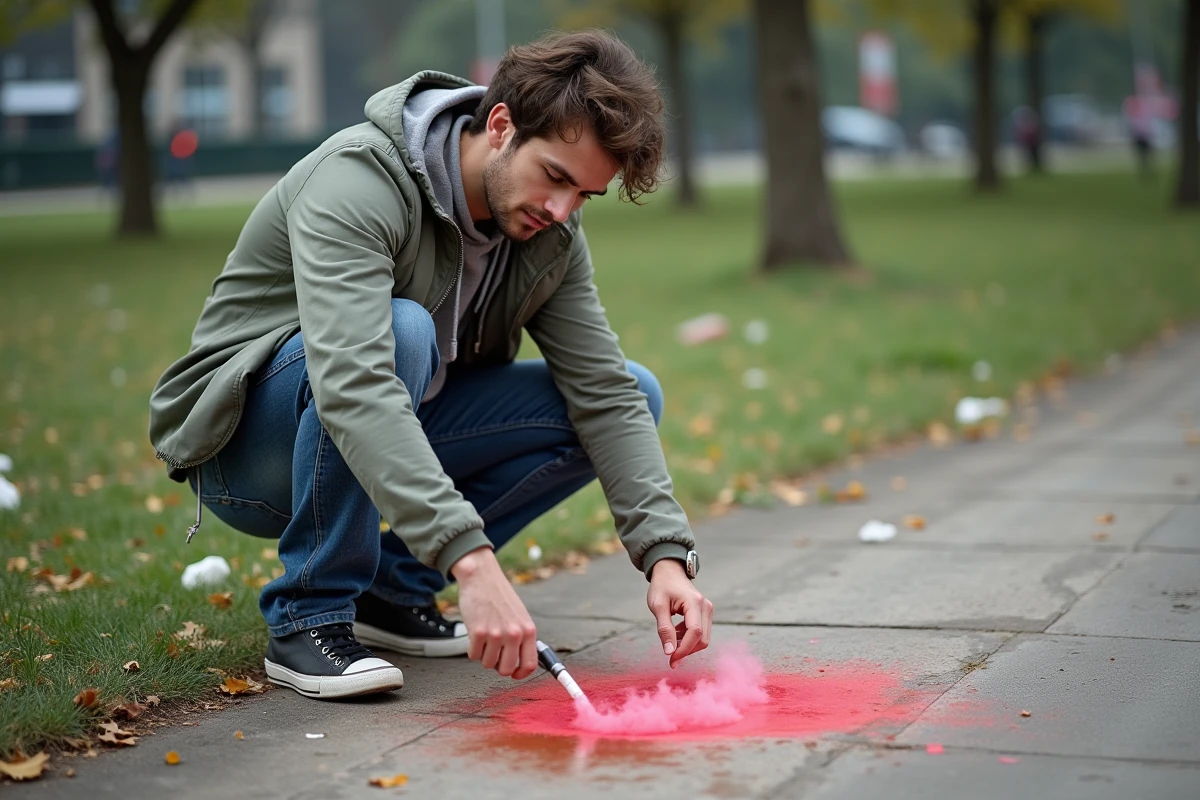
A user manual may emphasize caution, but it never says enough about what lingers after the fogger has passed. Manufacturers cover themselves: even by following the instructions to the letter, there is no guarantee that your furniture or floor will come out unscathed. Marks sometimes remain, a sticky film may settle on surfaces, and fresh air is not always enough to sweep everything away.
Users then discover stubborn imprints, particularly on varnished finishes, plastics, or fabrics. What works for cleaning depends on the affected material and what the fogger contained.
Flea foggers: what are the real effects on household surfaces?
The insecticide fogger has become a reflex against fleas, bed bugs, cockroaches, roaches, mites, and spiders. It releases active substances into the air such as pyrethroids, pyrethrins, permethrin, cyphenothrin, or neonicotinoids. These molecules, carried in the form of fine particles or nanoparticles, cover everything: floors, carpets, mattresses, textiles, sheets.
The question of the impact of foggers on surfaces persists for many. The file ‘Do Foggers Stain?’ offers a detailed overview. These treatments do not only target adult pests: they also leave residues, which can be clearly visible or perceptible to the touch, on objects, plastic materials, or fabrics. The risk of stains or sticky deposits increases with porous surfaces or poorly protected textiles. Some chemical compounds enhance the adhesion of these residues, making cleaning more challenging.
Here are some examples of vulnerable objects and surfaces during a fogging treatment:
- Carpets easily trap active substances, requiring thorough cleaning.
- Mattresses and bedding absorb a significant portion of the particles, which can be concerning for sensitive individuals.
- Glossy or plastic surfaces may show marks or a greasy film after treatment.
The use of a pest control treatment via fogger only affects adult pests: eggs and larvae resist, sometimes necessitating multiple treatments. It is imperative to follow the manufacturer’s recommendations to the letter, to protect food and delicate items, and to ventilate the rooms well after each operation.
Risks of stains and residues: what to watch for after treatment
Using an insecticide fogger at home is not just about making insects disappear. The fine particles and nanoparticles from combustion settle on everything exposed: fabrics, carpets, bedding, mattresses. Among the components, pyrethroids, permethrin, or carbamates can cling to fibers over time, sometimes leaving stains or a greasy film. Caution is advised, especially in spaces frequented by children, allergic individuals, or pets.
Several factors exacerbate surface contamination. On light or porous fabrics, deposits embed more easily. Carpets and mattresses absorb these residues, complicating cleaning: vacuuming is not always sufficient. On wood or plastics, halos or a greasy feel may sometimes be observed.
After a treatment, several checks are necessary:
- Examine each treated area: look for stains, changes in texture, or a lingering odor.
- Be alert for any skin or respiratory reactions, signs of prolonged contact with chemical substances.
- Consider sorting and disposing of chemical waste from the treatment through appropriate collection.
Following the manufacturer’s instructions limits inconveniences, but some side effects may persist. It’s better to remain cautious, especially with sensitive individuals and pets.
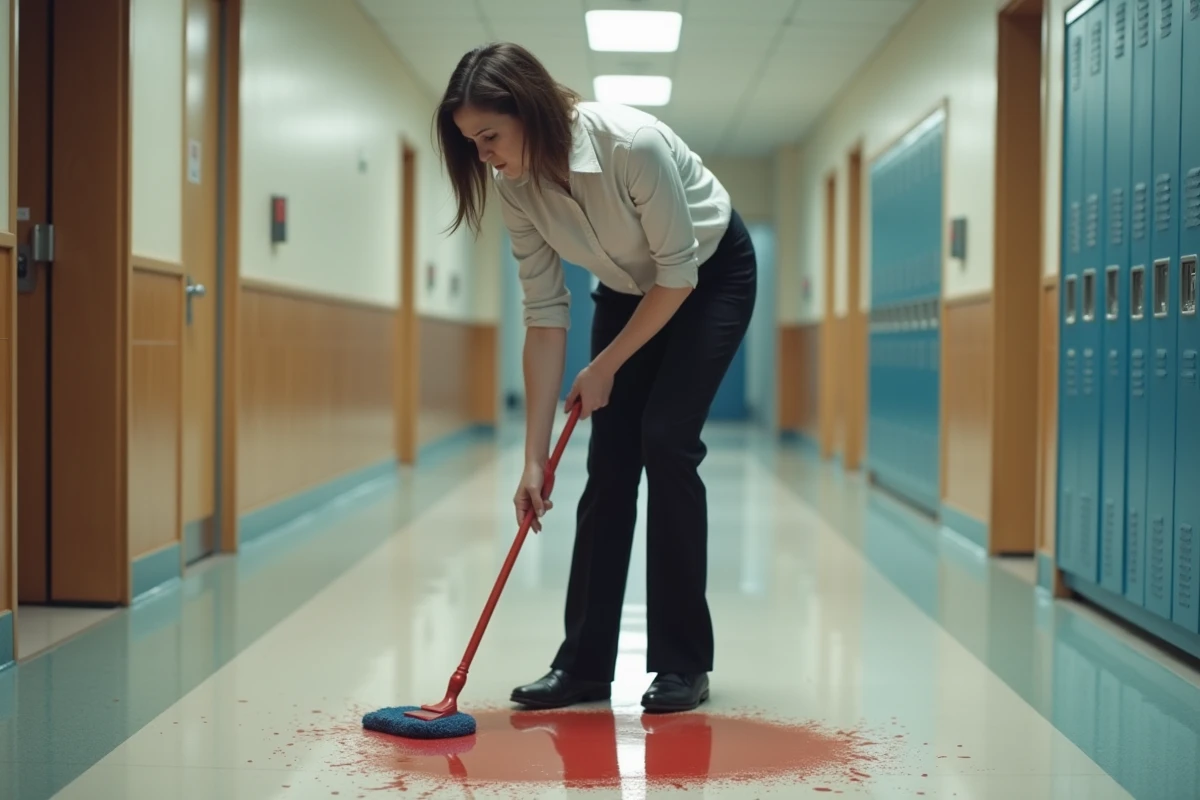
Effective cleaning after fogging: practical tips and precautions to take
After using an insecticide fogger, the house does not immediately regain its original cleanliness: fine particles and chemical residues invade every nook. Start by opening the windows wide and ventilating generously for several hours, or even a whole day if the weather permits. This action reduces the concentration of suspended substances and lowers the risk of inhalation exposure.
Next, vacuum thoroughly, ideally with a HEPA filter to capture the finest particles. Pay special attention to carpets and rugs. For textiles (sheets, curtains, covers, stuffed animals), run a high-temperature wash cycle. Smooth or delicate surfaces require cleaning with a damp cloth; add white vinegar if necessary.
To prevent stains or halos from settling in, it is advisable to adopt these reflexes without delay:
- Quickly treat any visible trace: the longer you wait, the more the active substances anchor.
- Wear gloves and, if possible, a mask while cleaning.
- Dispose of chemical waste (cartridges, soiled cloths) through an appropriate channel, never with household waste.
Keep pets and sensitive individuals away until the cleaning is complete. Carefully consult the safety data sheet (SDS) of the product: it details the waiting period before returning to the premises, recommended protections, and disposal methods. If in doubt or if the infestation does not disappear, seek help from pest control professionals.
Nothing completely disappears in the air of a house: every intervention leaves its mark, sometimes visible long after. It is up to each person to choose the balance between effectiveness and caution, so that the fight against pests leaves no other traces than the regained silence.