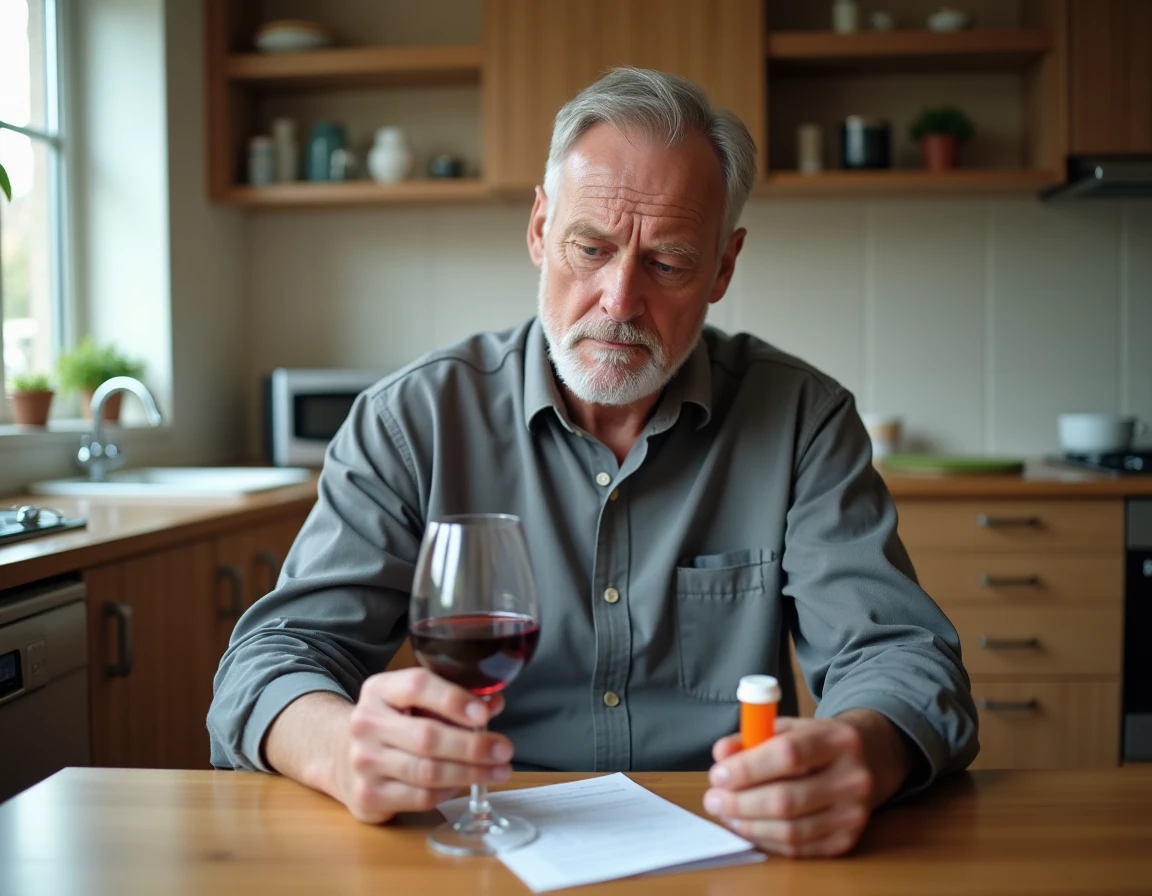
You take a beta-blocker to regulate your blood pressure or calm palpitations, and someone offers you a drink. The situation seems ordinary. The problem is that alcohol and beta-blockers act on the same physiological levers: heart rate, blood pressure, nervous system. Combining them is like pressing two brakes at the same time, without knowing which one will stop the wheels.
Propranolol at night: the diversion that increases cardiovascular risk
Some people take a beta-blocker before drinking, not on prescription, but to lessen the physical signals of social anxiety. Propranolol, originally prescribed for hypertension or occasional stage fright, is the one most commonly used in this informal manner.
The reasoning seems logical: the pill slows the heart, reduces tremors, calms the voice. Alcohol, on the other hand, disinhibits. Combined, they create the illusion of perfectly controlling the situation. In reality, this false confidence masks a real cardiovascular overload.
Addiction services report that patients use propranolol to “hold up” physically during excessive consumption. The beta-blocker suppresses the tachycardia and tremors that normally serve as warning signals. Without these markers, the person continues to drink well beyond what their body can tolerate, with an increased cardiac risk, particularly in young individuals with unknown risk factors.
To better understand the dangers of alcohol with beta-blockers, it is necessary to examine what happens in the body when these two substances intersect.

Alcohol and beta-blockers: what happens in the body
A beta-blocker prevents adrenaline from binding to beta receptors in the heart. The heart beats more slowly, and blood pressure decreases. This is the desired effect in cases of hypertension or arrhythmia.
Alcohol, for its part, dilates blood vessels and depresses the central nervous system. Blood pressure also drops, through a different mechanism.
Double drop in blood pressure and bradycardia
When both act together, blood pressure can drop to dangerously low levels. Typical symptoms include dizziness upon standing, blurred vision, or even loss of consciousness. The heart, already slowed by the medication, does not speed up to compensate, since adrenaline is blocked.
Have you ever experienced a sudden fatigue after just one drink while on heart medication? This is exactly this mechanism. The body loses its ability to respond to the drop in pressure.
Warning signals that have become invisible
Alcohol can mask the signs of bradycardia or hypotension caused by beta-blockers. Drowsiness, confusion, dizziness: these symptoms are attributed to intoxication when they signal a cardiac problem. This delay in diagnosis worsens the prognosis in cases of overdose or when combined with other central nervous system depressants.
Treatment effectiveness: when alcohol sabotages the prescription
Beyond the acute risk of an evening out, regular alcohol consumption poses a fundamental problem for patients on long-term beta-blockers.
Chronic alcohol consumption increases the activity of the sympathetic nervous system, which is precisely what the beta-blocker aims to calm. The baseline blood pressure rises. The medication loses effectiveness without the cause being identified.
The frequent result: the doctor increases the dose of the beta-blocker or adds a second antihypertensive, while reducing alcohol consumption would improve blood pressure control. The patient ends up with more side effects (fatigue, cold extremities, libido issues) for a benefit compromised by alcohol.

Practical guidelines to limit risks
Completely stopping alcohol while on beta-blockers is the safest recommendation, but it does not reflect the reality for all patients. Here are the points to keep in mind if you find yourself in this situation:
- Never take a beta-blocker “to better tolerate alcohol.” This misuse eliminates the body’s natural warning signals and encourages risky binge drinking.
- If your doctor has prescribed a daily beta-blocker, space out the intake of the medication and alcohol consumption as much as possible. Drinking at the peak plasma level of the medication maximizes the interaction.
- Monitor your position: transition from sitting to standing slowly. Orthostatic hypotension (dizziness upon standing) is the first measurable sign of the interaction.
- Inform those around you about your treatment. A person who collapses after two drinks while on beta-blockers is not simply experiencing a vagal malaise; they need prompt medical attention.
Any changes to your alcohol consumption or treatment should be discussed with your doctor. Adjusting a beta-blocker should not be done alone, and abruptly stopping the medication is risky in itself (rebound effect with tachycardia).
The combination of alcohol and beta-blockers remains underestimated because it does not always produce spectacular symptoms. The consequences accumulate quietly: a treatment that works less effectively, a heart that compensates less, and muted bodily alerts. The real danger is not the drink itself; it is the habit of thinking that “it will be fine” because nothing visible is happening.