Deciphering the complex world of computer components may seem like a daunting task for the novice. Indeed, choosing the right processor for your motherboard is a crucial decision that can significantly affect your machine’s performance. In the abundance of options, it’s easy to get lost. NewTopia Magazine sheds light on the criteria to consider when selecting a processor. It is about making an informed choice by taking into account factors such as compatibility, performance, cost, and specific computing needs.
Processors: An Overview of the Different Available Options
Now let’s address a fundamental aspect in selecting a processor for your machine: motherboard processor compatibility. Indeed, beyond performance and price, it is crucial to ensure that the very heart of your computer will be able to function correctly with all the components.
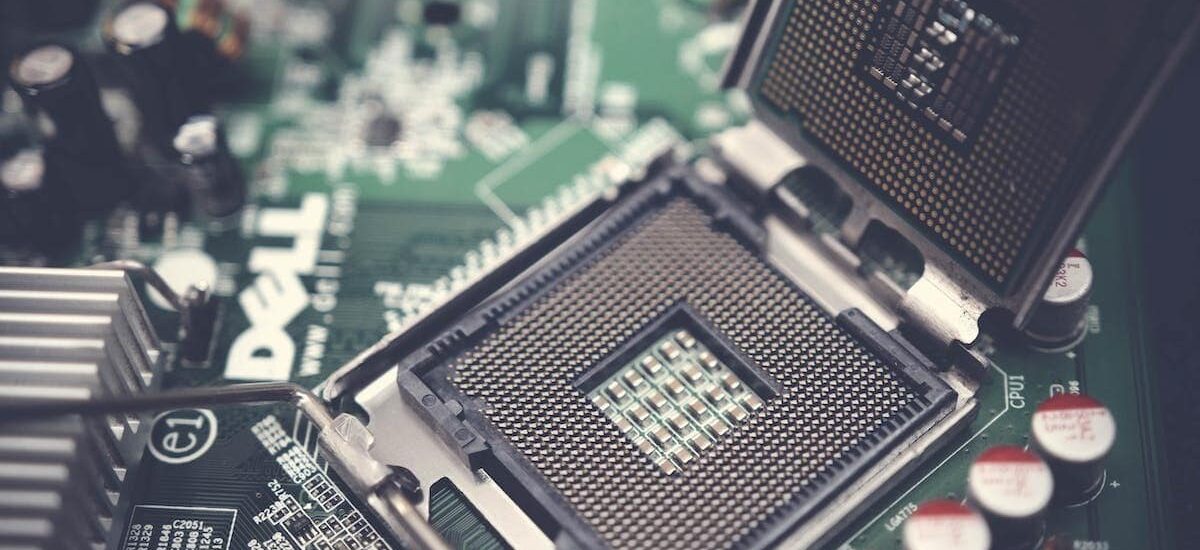
To be more precise, motherboard processor compatibility primarily revolves around two fronts. On one hand, we have the CPU socket (Central Processing Unit) that must physically match the one present on the motherboard. For Intel, for example, sockets generally range from LGA 1151 to LGA 2066, while AMD primarily uses AM3 or AM4 sockets. These nomenclatures may seem complex to newcomers, but just know that it is a key criterion to check when purchasing.
On the other hand, it’s also a matter of chipset. The chipset represents a series of microchips that manage the flow of information between different hardware components, such as the CPU and RAM (Random Access Memory). The choice of the right chipset can unlock additional features available only on certain high-end models, such as integrated graphics acceleration or advanced functions like NVMe to significantly increase SSD storage speed.
Choosing a new processor is not just a matter of raw performance, but rather a delicate exercise requiring deep reflection on various technical factors, particularly those related to motherboard processor compatibility.
Be sure to note that your specific computing needs should also guide your choice. For example, if you are a passionate gamer seeking a smooth, lag-free experience, or a professional requiring significant computing power for resource-intensive software like 3D applications or video editing, then selecting the right processor will be paramount.
Criteria for Choosing a Processor: What to Consider
Another important consideration is the processor frequency. In terms of calculations per second, a higher frequency generally means superior performance. However, one should not focus solely on this number. Other factors such as the processor architecture and the number of cores must also be taken into account to obtain a complete view of performance.
The architecture refers to the internal design of the processor and can have a significant impact on its actual performance. For example, processors based on Intel Core i7 architecture can outperform certain newer models from another brand in terms of raw power due to their optimized architecture.
The number of cores is also a key element to consider when choosing a processor. Cores represent the individual units that perform calculations within the CPU. The more cores you have, the more your computer will be able to handle multiple complex tasks simultaneously. If you are a multitasking user or regularly run resource-intensive software (like video editing or 3D rendering), opt for a model with a high number of cores.
Another essential criterion that is often overlooked is the power consumption of the processor. Indeed, a power-hungry processor can lead to an increase in your computer’s internal temperature and may require the installation of a more powerful cooling system. This can incur additional costs and make the system noisier.
Don’t forget to check user reviews or tests conducted by experts to get a precise idea of the actual performance of the processor you are considering purchasing. Benchmarks are also an excellent way to objectively evaluate a processor’s performance in different situations.
Choosing the right processor for your motherboard is a crucial decision that will largely determine the overall performance of your machine. Consider the compatibility with the motherboard, the processor frequency, its architecture, the number of cores, and its power consumption before making an informed decision. By following these key criteria and taking your specific needs into account, you will certainly be on the path to optimal choice for powerful and efficient computing.
Processor Performance and Speed: The Importance of Good Computing Power
When it comes to choosing the ideal processor for your motherboard, performance and speed are essential aspects to consider. Indeed, these two factors will play a decisive role in your system’s capabilities.
The performance of a processor is often measured in terms of computing power. The processor frequency plays a key role in this area. The higher the frequency, the faster the processor will be able to perform the tasks assigned to it. However, one should not limit oneself solely to this characteristic when choosing a processor.
Other elements can also influence the actual performance of the CPU. The processor architecture is one of these important variables to consider.
Processor-Motherboard Compatibility: A Key Point to Check
The compatibility between the processor and the motherboard is a crucial aspect to consider when choosing your configuration. Indeed, these two components must be perfectly harmonized to ensure optimal operation of your system.
You need to check if the processor socket matches the socket available on your motherboard. The socket is the physical location that allows the processor to be installed on the motherboard. There are different types of sockets such as LGA, PGA, or BGA, each specific to a brand or generation of processors.
You must also consider the compatibility of the chipsets. Chipsets are integrated circuits present on the motherboard that ensure communication between the processor and other components. Each manufacturer offers different models of chipsets with specific features. Therefore, make sure that the chipset supports the characteristics required by your processor.
Features and Integrated Technologies: Assets to Consider When Choosing a Processor
The features and technologies integrated into the processor are a key element in the selection process. Manufacturers compete in ingenuity to offer innovations that improve the performance and energy efficiency of processors.
Among these features, we find the Hyper-Threading technology developed by Intel. This technology allows each physical core of the processor to execute two threads simultaneously, thus increasing the total number of threads that can be processed in parallel. This results in a significant improvement in multitasking performance.
Another major innovation is the presence of L1, L2, and L3 caches on the processor. These cache memories are very fast and allow temporarily storing frequently used data by the processor, thus reducing access times to the main memory.
Recommendations for Finding the Ideal Processor for Your Motherboard
To choose the ideal processor for your motherboard, you need to consider several criteria. Check the compatibility between the motherboard and the processor you are considering. Manufacturers provide detailed lists on their websites, ensuring that both elements are indeed compatible.
You should look into the technical specifications of the processor. The clock frequency is an essential parameter to consider. It corresponds to the speed at which the processor can execute its operations. The higher this value, the greater the performance.
The number of physical cores of the processor is also a decisive element in the choice. A quad-core processor, for example, will be able to handle four different tasks simultaneously, which is particularly beneficial for resource-intensive multitasking applications.
The cache memory integrated into the processor also plays a crucial role in accelerating calculations. A larger L3 cache will offer better overall performance by storing more data that the CPU regularly uses.
Don’t overlook the power consumption of the processor. Some models offer advanced technologies aimed at optimizing energy efficiency without sacrificing performance.
You should evaluate your budget and carefully examine the prices on the market before making your final choice.
To facilitate this process, many specialized websites offer detailed comparisons as well as informed advice to guide users in their selection.
Choosing the ideal processor for your motherboard requires a careful analysis of several technical and financial criteria. It is recommended to consult reliable sources before making your purchase to optimize your computing performance while respecting your budget.