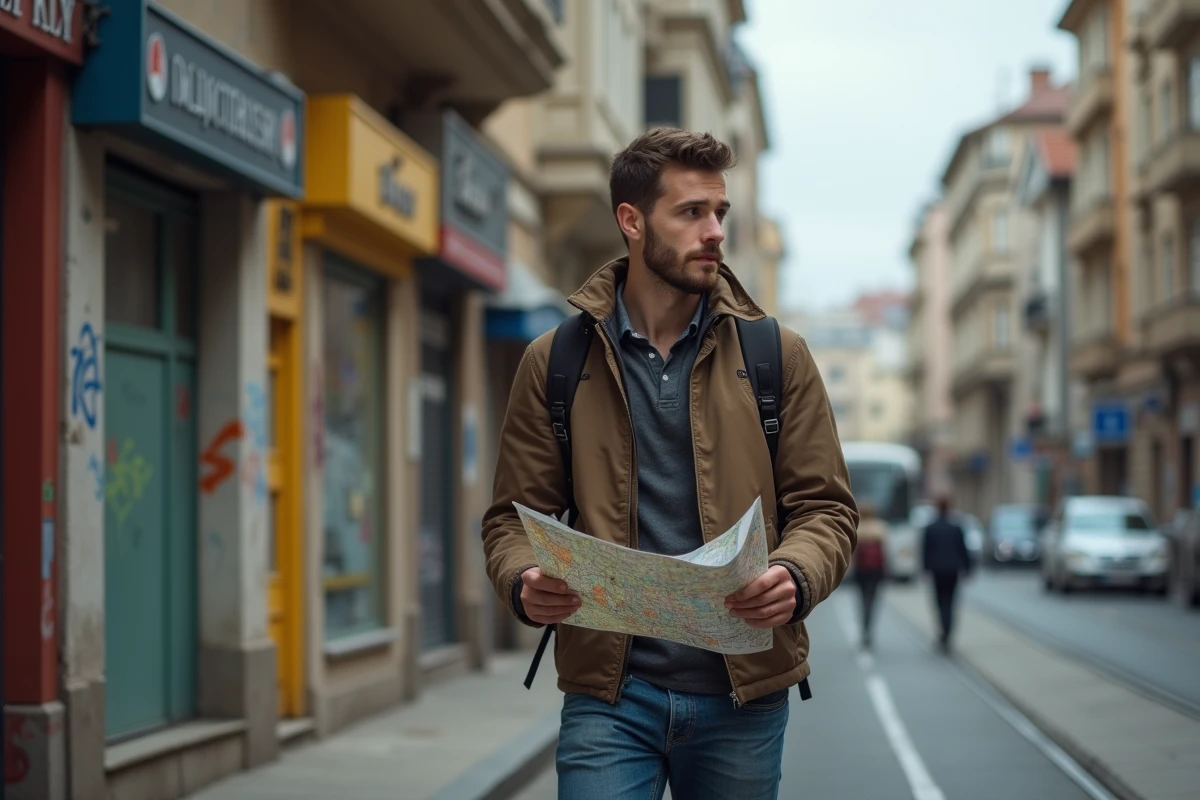
In Bucharest, some neighborhoods show crime rates significantly higher than the Romanian national average, while just a few streets away, nightlife thrives without notable incidents. Local statistics report a concentration of petty crimes around certain train stations and in peripheral areas, while the central sectors, heavily frequented by tourists, generally remain safe during the day.
Scams specifically targeting foreigners persist despite increased police presence. Special security measures have been implemented for major events, but their effectiveness varies by district.
Bucharest and safety: what should a traveler really expect?
The Romanian capital, Bucharest, paints an urban landscape where the energy of the center contrasts with the caution that is necessary, especially when night falls or the crowd gathers. The terraces of Lipscani or Piata Romană are fully booked until late, but vigilance remains essential: the risk of pickpocketing is never far away, particularly in tourist areas or crowded public transport. Pickpockets and small-time crooks take advantage of queues, crowded metro cars, and hurried crowds. Scams are concentrated near train stations or on the outskirts, where vigilance sometimes drops a notch.
That said, the crime rate in Bucharest does not reach the peaks of some neighboring capitals. Assaults remain rare; however, it is better to stay alert, especially after sunset, near the North Station or in the neighborhoods of Ferentari, Rahova, Pantelimon, and Berceni. These places are often cited among the hot neighborhoods and areas to avoid in Bucharest, a recurring expression in the file “Romania tourism danger: neighborhoods to avoid in Bucharest – E-Mariage.”
To limit risks, adopt these reflexes:
- Keep your personal belongings out of sight.
- Prefer official taxis or ride-hailing services when leaving clubs or train stations.
- Note the emergency number 112, central for any medical or security emergency.
Regarding medical care, everything depends on the location. Private clinics offer more comfortable follow-up than public hospitals, but plan to have solid travel insurance. The European Health Insurance Card helps, but coverage is only partial, and the French embassy will not cover any costs. Heading towards suitable solutions before departure, consulting the latest recommendations: this is the best guarantee for a peaceful stay.
Hot neighborhoods, areas to avoid, and quiet sectors: the true face of the city
Bucharest, a city of contrasts, does not hesitate to highlight its paradoxes. Some neighborhoods, classified as at-risk areas, concentrate a notable share of urban petty crime. Here are the ones most frequently reported:
- Ferentari
- Rahova
- Pantelimon
- Berceni
They are often labeled as hot neighborhoods. Their reputation, forged by a succession of incidents, is linked to drug trafficking, thefts, and latent social tensions. The North Station, a major railway convergence point, attracts pickpockets and scammers, especially in the evening or during night shifts. It is better to exercise extra caution there.
The Strada Mătăsari, lively during the day, changes atmosphere at night and is also among the areas to avoid for those discovering the city. In these sectors, it is advisable not to expose valuables, to stay attentive to what is happening around, and to prefer rides in official taxis or ride-hailing services.
On the other end of the spectrum, the city also contains neighborhoods where the word safety takes on its full meaning. Lipscani, a historically vibrant center, Piata Romană, Primăverii, Cotroceni, Aviației, or Băneasa are considered safe sectors. Here, crime remains low, and cafes, museums like the National Museum of Art of Romania, theaters, and renowned hotels attract students, families, and visitors. These places depict another face of Bucharest, far from the anxiety-inducing images that sometimes circulate.
The city thus reveals itself in shades, between lively streets, peaceful corners, and areas to watch. Let curiosity guide you, but without losing sight of common sense and observation: this is the key to a successful experience in Bucharest.
Small scams, savvy tips, and tricks for a peaceful trip in Romania
In Bucharest, as in many large cities, pickpocketing and scams often target inattentive travelers. Pickpockets mainly operate in public transport and around major train stations. Protect your documents, cards, and money in closed pockets, and avoid carrying an open bag. Near train stations and the airport, fake taxis wait for the most hurried: always order an official taxi or a ride-hailing service via an app or at the counter.
In markets or crowded places, be wary of offers that seem too good, overly persistent sellers, or those “good Samaritans” offering help in front of ATMs. Never give your PIN, and steer clear of transactions that seem suspicious.
Regarding health, a few precautions are necessary. The tap water is not always potable; it is better to choose sealed bottled water. There are many stray dogs, and rabies is still present: it is best not to touch unknown animals. Hikers may also encounter bears in the Carpathians. Here too, vigilance is essential.
To travel with peace of mind, here’s what is useful to check:
- Prepare a first aid kit
- Update your vaccinations (rabies, hepatitis A and B, tick-borne encephalitis, typhoid fever)
- Check the weather forecast, as Romania is prone to earthquakes and snowstorms
In case of emergency, dial 112 for police, ambulance, or fire services; operators speak English. Traveling in Bucharest means navigating its contrasts, challenges, and hidden treasures. It is up to each person to chart their path between vigilance and discovery.