In the world of horticulture, the banana plant is an exotic plant that can add a unique appeal to your green space. Its lush foliage and delicious fruits make this tropical plant a popular choice for both amateur and professional gardeners. Growing and maintaining a banana plant requires specific knowledge and dedication. Caring for this plant may seem daunting, but with the right guide, even a novice can successfully grow a banana plant in their garden. Here is a comprehensive guide that will cover all the steps, from planting to harvesting your own bananas.
The Banana Plant: An Exotic Plant with Distant Origins
The ideal conditions for growing a banana plant require special attention. Be sure to choose a sunny location as the banana plant needs at least six hours of direct sunlight per day to thrive. The soil should be well-drained and fertile, with a pH between 5.5 and 6.5. If your soil is not naturally rich in nutrients, you can enrich it by adding compost or organic fertilizers.
Before planting your banana plant, make sure to properly prepare the soil. Dig a hole that is twice as wide as the root ball of the plant and ensure it is deep enough to accommodate the roots without compacting them. Also, add potting soil if necessary to improve the soil structure.
Once you have prepared the soil, it is time to move on to the crucial step: how to plant a banana plant correctly? Start by gently removing the plant from its container, being careful not to damage the fragile roots. Then place the root ball in the previously prepared hole and fill in the gaps with potting soil until the plant is securely anchored.
To ensure optimal growth, remember to water your banana plant regularly during dry periods to maintain consistent moisture around the roots. Be careful not to overwater, as this can lead to problems such as fungal diseases.
Regarding maintenance, pruning is an essential step to keep a banana plant healthy. Be sure to fertilize your banana plant each year with a balanced fertilizer to ensure adequate nutrition.
Watch out for pests like aphids or spider mites. To prevent these issues, you can use appropriate organic treatments based on your specific needs.
Growing and maintaining a banana plant in your garden can be rewarding if you follow these key tips. By providing the ideal conditions, planting correctly, and caring for your plant throughout its life cycle, you will be rewarded with its lush exotic foliage and delicious tropical fruits.
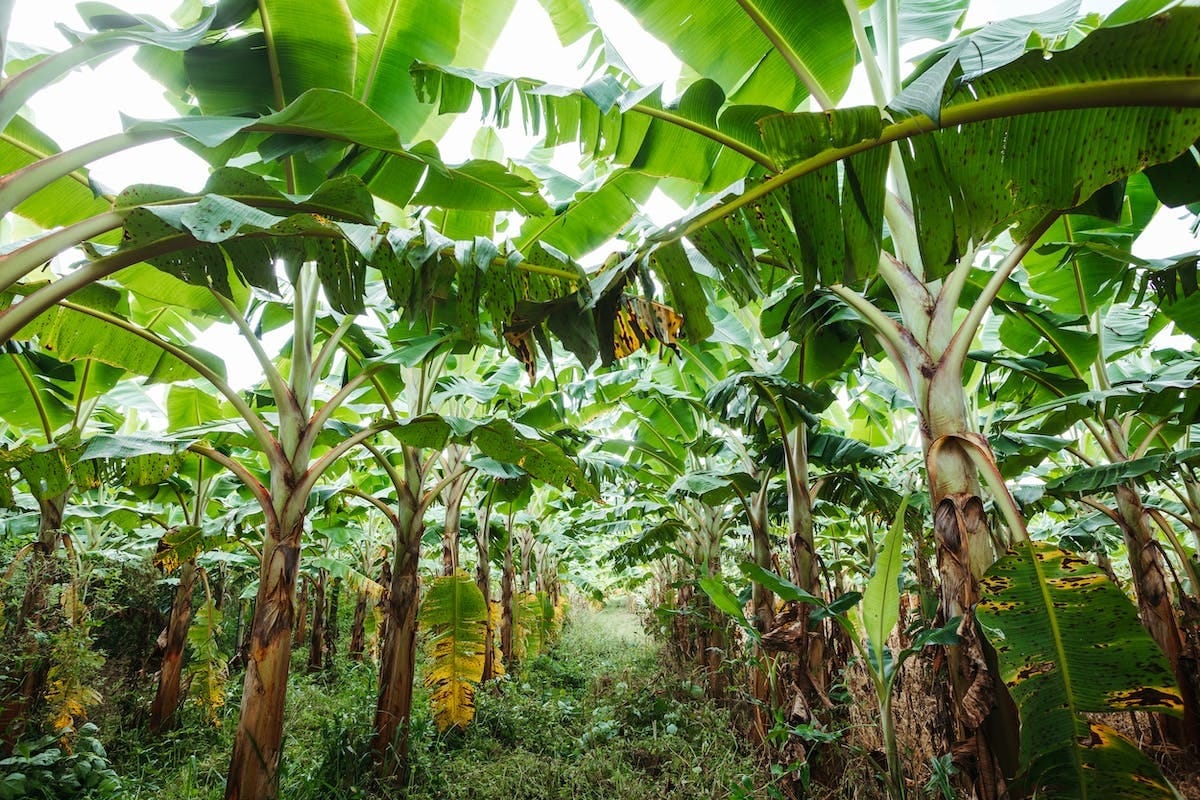
Growing a Banana Plant: Keys to Success
In this section, we will explore the different varieties of banana plants and their characteristics. There is a wide diversity of banana plants, each offering unique features and distinct flavors.
The Cavendish is one of the most common and popular varieties of banana plants. It produces sweet and creamy fruits with a bright yellow skin when ripe. Cavendish bananas are typically eaten fresh but can also be used in desserts or smoothies.
Once the dominant variety in the global market before being replaced by the Cavendish, the Gros Michel is appreciated for its intense flavor and firm texture. These bananas have a thick skin that turns yellow when the fruits are ripe.
The Plantain banana plant closely resembles that of the classic banana plant, but its fruits have a firmer texture and are less sweet than those of the other varieties mentioned earlier. They are often cooked before being consumed, adding an exotic touch to savory dishes such as fritters or purees.
Originating from Central and South America, the Manzano stands out for its unique taste reminiscent of apple or strawberry mixed with a slightly spicy note. Its small round fruits also have a thick green skin that must be removed before consumption.
Nicknamed the ‘ice cream banana plant’, the Blue Java is distinguished by its bluish color when unripe and its creamy texture once the fruits are ready to be enjoyed. Its flavor resembles that of vanilla, making it a popular choice for desserts or smoothies.
Also known as the finger banana, this variety has smaller and narrower fruits than other bananas. It is appreciated for its subtle sweetness and slightly tangy aftertaste. Lady Finger bananas can be eaten fresh or used in various sweet dishes such as muffins or fruit tartars.
Of course, there are other varieties of banana plants with their own unique taste and aesthetic characteristics.
Varieties of Banana Plants: Discover Their Characteristics
Having a banana plant in your garden can bring a touch of exoticism and lushness to your landscape. Follow these essential steps to successfully plant your banana plant:
Choose the ideal location: Banana plants prefer sunny spots, protected from the wind and well-drained. Ensure that the chosen location offers enough space for the plant’s growth.
Prepare the soil: Banana plants thrive in fertile and well-drained soil. Before planting, loosen the soil by adding compost or decomposed manure to provide the necessary nutrients for the healthy growth of the plant.
Dig an appropriate hole: The hole should be twice as wide and as deep as the root system of the potted plant you are going to transplant. This will allow the roots to grow freely.
Transplant the banana plant: Gently remove the plant from its container, being careful not to damage the fragile roots. Carefully place it in the prepared hole, ensuring it is level with the surrounding soil.
Fill in carefully: Gently fill the hole with the soil mixture around the roots, lightly compacting to eliminate air pockets.
Water generously: After transplanting your banana plant, water it thoroughly to encourage root establishment. Afterwards, ensure that the soil remains consistently moist but not waterlogged.
Fertilize regularly: Banana plants are heavy feeders. Use a balanced fertilizer rich in potassium to encourage healthy growth and optimal fruit production.
Protect against pests and diseases: Monitor your banana plant closely for any signs of infestation or disease. Apply appropriate organic treatments if necessary, or consult a professional if you encounter serious issues.
Prune as needed: Remove aging or damaged leaves as they appear. This will allow new leaves to fully develop and improve the overall appearance of the banana plant.
Patience is key to success: The growth of a banana plant can take several months before you can fully enjoy the delicious fruits it produces. Be patient and continue to care for your plant until it reaches full maturity.
By following these essential steps, you will be able to successfully plant your own banana plant in your garden and enjoy not only its unique decorative aspect but also harvest your own exotic fruits.
Planting a Banana Plant: Essential Steps to Follow
Nourishing your banana plant is crucial to ensure its growth and prosperity. In addition to regular fertilization, special attention must be paid to water supply. Banana plants need abundant but well-drained watering. Too wet soil can lead to root rot, while too dry soil can cause the plant to wilt.
To maintain a good water balance, it is recommended to mulch the soil around the banana plant. A thick layer of mulch will help retain moisture while preventing weeds.
Regarding diseases and pests, the main enemy of the banana plant is fusarium wilt, a formidable fungal disease that can destroy an entire plantation. To prevent its occurrence, ensure that your plants are healthy before transplanting and avoid any contact with infected plantations.
Aphids and nematodes can also negatively affect the health of your banana plant. Monitor your plants closely and use organic methods such as introducing ladybugs or using soapy water to control these unwanted pests.
Another important step in banana plant care is to regularly prune the suckers (or offshoots) that grow around the main trunk. These suckers are essential as they will give rise to future replacement plants when the mother trunk has produced its fruits and reached the end of its life cycle. Cut these suckers when they reach about one meter in height to promote healthy growth of the banana plant.
Making a Banana Plant Thrive: Essential Care and Maintenance
Banana plants are generally resistant to diseases, but they can sometimes be subject to certain problems. One of the main challenges you may face is the presence of root rot. This can occur if watering is excessive or if the soil does not drain properly. To avoid this, ensure that your soil provides good aeration and adequate drainage.
Another common threat to banana plants is the appearance of black speckles on the leaves. This is often due to a fungal infection called black Sigatoka. This disease can lead to weakening of the foliage and reduce fruit production. To prevent this situation, it is recommended to regularly apply an appropriate antifungal treatment.
Pests such as banana weevils, whiteflies, and thrips can also attack your banana plants. These harmful insects can cause considerable damage by piercing the stems and feeding on the vital sap of the seedlings. In this case, it is essential to act quickly by using organic methods or applying a specific insecticide to control their population.
Do not overlook the potential climate risks in certain areas where winter frost can affect the health of banana plants. If you live in a region prone to cold winters, it is advisable to protect your plantations by covering them with mulch or using temporary structures to shelter them.
Although the banana plant is generally a robust and easy-to-maintain plant, it can face certain problems and diseases. By adopting a preventive approach and closely monitoring your plantation, you can minimize these risks and fully enjoy its delicious tropical fruits in your garden.
Banana Plant Problems and Diseases: How to Prevent and Treat Them
When it comes time to harvest the fruits of your banana plant, there are a few tips to know for achieving an optimal harvest. It is important to know that the ripeness of bananas can vary depending on the climate and the variety grown. Pay close attention to the fruits to spot signals indicating they are ready to be picked.
Bananas reach their full ripeness when their skin turns a bright yellow color. Also, ensure that the fruits are slightly curved, as this indicates they are perfectly developed. If you notice brown spots on the skin, this is a good indicator that your bananas are about to become overripe.
To harvest banana bunches without damaging the rest of the plant, use a sharp knife to gently cut the stem at its junction with the pseudostem. However, avoid making deep cuts into the plant to not compromise its overall health.
Once harvested, you can store your bananas for several days before consuming them or choose different preservation methods. For example, if you want to delay their rapid ripening, place them in a paper bag and leave them at room temperature. Conversely, if you want to speed up the process and quickly enjoy the sweet taste of well-ripened bananas, put them in a plastic bag with an apple or a pear to stimulate ethylene production.
It is worth noting that banana plants are perennial crops. This means you will not have to replant each year, but rather maintain your existing plantation. Therefore, remember to regularly prune yellowed or damaged leaves to maintain a neat appearance and encourage the growth of new shoots.
By following these tips and being attentive to the specific needs of the banana plant, you will be rewarded with a beautiful harvest of delicious bananas in your garden. Enjoy preparing exotic desserts or simply savoring their naturally sweet taste rich in potassium and essential vitamins for our health.